

One in three American women is in perimenopause or menopause today. Yet, most plans don’t offer tailored care. At the New York Times DealBook Summit, Halle Berry spoke out against Gavin Newsom just before he was to speak.
She turned a business forum into a debate on women’s health and leadership. Berry, an Academy Award winner, made her comments at Jazz at Lincoln Center. She said she has “zero f—ks left to give” and accused Newsom of ignoring women’s health.
Newsom vetoed menopause care bills, including AB 432, in back-to-back years. Her words caused gasps in the audience. They also highlighted Newsom’s national ambitions.
Berry, 59, talked about access, coverage, and costs. She said Newsom “probably should not be our next president.” Her comments set a tone for the night and the fight over midlife health policy.
Gavin Newsom faced scrutiny before speaking. His term runs through 2026. This clash was more than a viral moment. It tested Newsom’s message, priorities, and the cost of care for millions.
What Happened at The New York Times DealBook Summit
A packed house gathered at Jazz at Lincoln Center in New York City for the DealBook Summit. This daylong forum was led by Andrew Ross Sorkin. It mixed policy talk with business insight, setting a sharp tone before the governor’s speech.
Coverage of the moment highlighted its place in high-profile interviews. Each segment built up to the evening’s big guests.
Setting the stage at Jazz at Lincoln Center in New York City
The venue buzzed with executives and aides as the agenda unfolded. The production value was high, with smooth transitions and clear audio. From the start, the summit tackled big themes like politics, platforms, and markets.
Audience reaction: gasps as Newsom was set to speak later
Berry spoke out against vetoes on menopause care and questioned Newsom’s future plans. This was just before Newsom was set to speak. The room gasped, breaking the earlier calm. This energy carried over to the next interview.
Moderation and context: Andrew Ross Sorkin’s event flow
Andrew Ross Sorkin kept the pace fast, moving from one guest to the next. Guests like MrBeast and Erika Kirk added variety. Even with the surprise, the summit stayed on track, moving smoothly forward.
Halle Berry’s Message and Advocacy Focus

At 59, Halle Berry spoke up for midlife women who often get overlooked. She highlighted the importance of speaking out. She said that when society undervalues women, their health, work, and families suffer.
“Zero f—ks left to give”: why she’s speaking out now
She bluntly stated she has zero f—ks left to give. This resonated with many. Halle Berry used this phrase to talk openly about menopause and its challenges.
She believes that by sharing our struggles, we can bring about change. This is about more than just talking; it’s about demanding better care and respect.
Respin and her push for menopause care and longevity
Berry linked her advocacy to Respin, her brand focused on women’s health and longevity. She emphasized the importance of tools, education, and access for menopause care. She believes these are essential, not just extras.
She called on everyone to improve research, coverage, and training for menopause care. Her goal is to ensure long-term health, energy, and dignity for women.
Calling on leaders and business to “fight” for women’s health
She urged leaders to fight for policies that help women. Halle Berry commended states for improving hormone therapy access. She encouraged others to follow their lead.
- Invest in evidence-based care for menopause.
- Support coverage that reaches working families.
- Open space for honest talk at work and in clinics.
Her message was clear: stay curious, seek answers, and keep talking. She reminded us that women deserve better. It’s time for action.
AB 432 and the Menopause Care Debate
In California, a bill called AB 432 made headlines. It aimed to help women with menopause. Supporters said it was about real needs, not just news.
They wanted better training and easier access to care. Online, people talked about haliey berry and hallle berry. They saw a connection to hormone therapy coverage.
What the bill proposed: coverage, training, and access
AB 432 wanted to cover more visits related to menopause. It also pushed for doctors to learn more about menopause care. This included hormone therapy for those who need it.
The bill saw care as essential, not extra. Supporters believed it would help diagnose and treat symptoms faster. This would improve work and family life for many.
Veto history: two consecutive rejections cited by Berry
The bill was vetoed twice, which upset supporters. Halle Berry mentioned this on stage. They felt it showed a gap between what people want and what the state does for midlife health.
AB 432 stayed in the news. Supporters talked about the need for clear, fair access to care. They wanted to make sure everyone could get the help they need.
How coverage for hormone therapy fits into the policy fight
Hormone therapy coverage was a key part of the bill. It was seen as a practical solution in a broader care plan. Advocates wanted rules and informed consent to help patients make choices.
With Halle Berry’s support, searches for haliey berry and hallle berry increased. This kept the bill in the spotlight. It showed how policy affects women’s health every day.
Gov. Gavin Newsom’s Response and Rationale
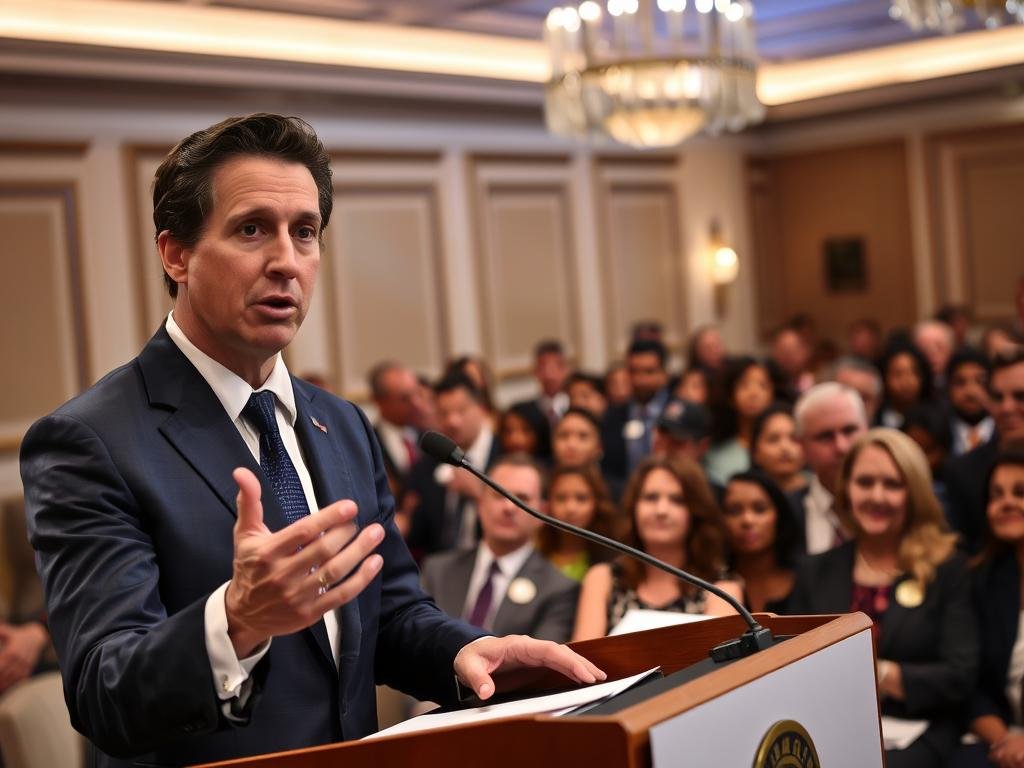
After the debate, the governor’s team talked about access and cost. They said expanding care shouldn’t make families pay more. They want practical changes, not higher bills for workers.
Cost concerns: avoiding higher bills for working women and families
California Governor Newsom’s office said AB 432 could raise costs for millions. They believe good policy must keep premiums low while increasing access to menopause services. This helps working women and families afford care.
Statement from spokesperson Izzy Gardon
Spokesperson Izzy Gardon said the governor respects Halle Berry’s efforts. They want to find a way to expand access and keep costs down. Gardon mentioned the veto note, which highlighted the need for a balanced approach. They hope to work with advocates to find a solution this year.
Balancing access, affordability, and statewide mandates
Officials believe statewide mandates can improve care standards but must be affordable. They aim for a solution that increases coverage and supports providers without hurting family budgets. As debates continue, even critics agree that keeping costs low is essential for lasting change.
Why This Clash Matters for 2028 Politics
The exchange happened at a critical time for gavin newsom. Cameras were rolling, and voters were watching closely. The focus on women’s health made the stakes even higher.
Gavin Newsom’s governor term through 2026 and national ambitions
The gavin newsom governor term ends in 2026, setting him up for 2028. His experience and crisis management skills are seen as strengths. But critics wonder if he can turn state policies into a national success story.
Primary landscape: how gavin newsom news intersects with Democrats
He’s already being talked about as a possible candidate in 2028. Polls show him alongside Kamala Harris and Pete Buttigieg. Every piece of gavin newsom news changes how he’s seen by voters.
Voter perceptions on women’s health and leadership
Menopause care and coverage are key for midlife voters. They test newsom gavin‘s credibility. It shows if he can make policy choices that are fair and evidence-based.
Menopause, Hormone Therapy, and Public Perception
More people are talking about health in midlife, thanks to science and personal stories. They connect their experiences with policy changes. This includes coverage rules and clinical advice.
They mention hormone replacement therapy and state efforts, like Illinois’ HRT coverage. This helps people think about the cost and quality of care.
Defining menopause and the long transition window
Doctors say menopause is when you don’t have a period for 12 months. The transition can last years. Symptoms like hot flashes, mood swings, and poor sleep are common.
Many also feel anxious or have low energy. This can make work and home life harder.
Because the transition is long, choices change over time. People consider different treatments based on their history and goals.
HRT’s role for symptom management and quality of life
For some, hormone therapy helps with hot flashes, sleep, and daily life. Others try nonhormonal options or a mix. A doctor helps decide based on risks and timing.
Clear info and regular check-ups help adjust treatments. This makes people more confident in their care.
When treatments work, people start to trust care more. They also want fair benefits, like Illinois’ HRT coverage.
State-by-state momentum, including Illinois’ move on HRT coverage
Policy changes are happening in states now. Advocates see Illinois’ HRT coverage as a sign of progress. They want insurers to see menopause care as essential.
Some plans suggest 12 months of hormone therapy support. Halle Berry has spoken out about access gaps. Phrases like white berry and al berry have appeared online in these discussions.
As debates grow, people watch if more states follow Illinois. They hope to see hormone replacement therapy as a standard benefit.
Media Coverage and Search Trends
Media coverage jumped quickly after the DealBook exchange. People rushed to check the facts. TheWrap, the new york post, and the new york times each had their own take on the event. Search terms like gavin newsom and california governor newsom became popular.
Interest in new york time and start arguing nyt also grew as the clip spread online.
How The New York Times DealBook and TheWrap framed the exchange
TheWrap saw the remarks as a sharp critique of policy vetoes. They were part of the DealBook agenda, led by Andrew Ross Sorkin. The new york times added context, focusing on the Jazz at Lincoln Center setting and the event’s star-studded lineup.
This approach kept the focus on policy and the tone of the remarks.
the new york post and news nypost attention on the viral moment
the new york post highlighted the shocking timing of the clip. news nypost followed with its fast spread on social media. This coverage emphasized the surprise in the room and the anticipation for the upcoming interview.
Keyword signals: gavin newsom, california governor newsom, new york time
Searches surged for names and places linked to the exchange. This included gavin newsom, california governor newsom, and new york time. TheWrap and start arguing nyt also saw increased interest as people compared headlines.
| Outlet | Primary Angle | Noted Elements | Search Tie-Ins |
|---|---|---|---|
| TheWrap | Policy-centric framing | Veto context, candid tone | TheWrap, gavin newsom |
| the new york times DealBook | Stage and agenda focus | Andrew Ross Sorkin, lineup | the new york times, new york time |
| the new york post | Viral timing | Room reaction, clip spread | the new york post, news nypost |
| Cross-platform | Amplification | Share spikes, quotes | start arguing nyt, california governor newsom |
Cultural Undercurrents: Visibility of Women in Midlife
At the summit, she shared a quiet rule many feel but rarely say: women are told to stay “forever 35.” Halle Berry turned this script around, linking dignity in midlife to access, care, and voice. This point resonated because it was practical and relatable, not just abstract.
Berry on being “devalued” at 59 and societal expectations
She said at 59, she’s often seen as less visible. Her message was clear: value doesn’t expire. Halle Berry connected this to real needs—appointments, coverage, and time—making the talk practical, not just a mood.
Online, discussions can get loud, with topics ranging from Halle Berry nude searches to misspellings like Halley Barry or Haliey Berry. Even Josh Berry trends pop up alongside her name. She used this moment to shift focus to health, choice, and respect.
Workplace, Hollywood, and social media pressures
She talked about a pipeline of pressure. In offices, performance is praised, but age is policed. In Hollywood, roles shrink as birthdays increase. On social media, filters favor a single look, penalizing change.
By linking this bias to care gaps, she argued that menopause support is a work and family issue. When women have answers and options, teams perform better and homes are more stable.
Why “be bold, be loud” resonates with audiences
Her mantra—be bold, be loud—resonated because it offers a simple rule for complex years. Speak up in the doctor’s office. Ask HR for benefits. Share facts with friends. Small actions add up.
Audiences saw a plan, not just a plea. Halle Berry showed how visibility, policy, and daily life intersect. She proved that staying silent costs more than speaking up.
Conclusion
At The New York Times DealBook Summit, Halle Berry made a big point about menopause care. She wanted to make sure everyone had access to it. But California Governor Newsom said it would be too expensive.
This disagreement was all over the news. It showed how important menopause care has become. It’s no longer just a personal issue, but a public one too.
Berry pointed out that Illinois is doing something different. They require coverage for menopause treatments. This shows a clear choice for women’s health.
Newsom’s team said they respect Berry’s efforts. They are open to working together. But they also think their decision helps working families avoid higher costs.
This debate is about fairness versus cost. It’s about how fast we need to act versus being careful. It’s a big challenge for leaders.
Halle Berry brought menopause care into the spotlight. Her efforts have sparked a national conversation. Now, policy and personal stories are coming together.
Will California Governor Newsom find a way to make menopause care more accessible? If he does, it could lead to real change. This story is just beginning, and it’s about how we treat women in midlife.
Be the first to comment