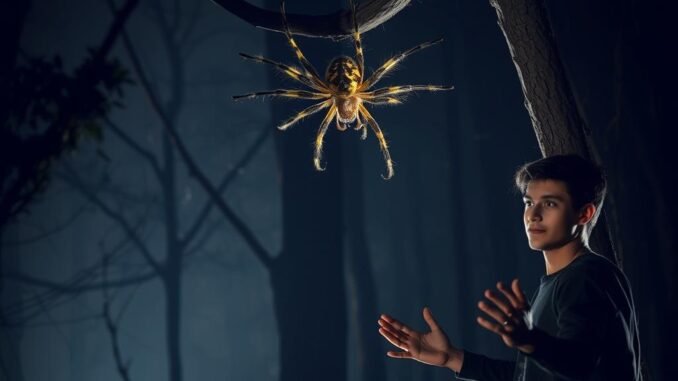

In some Georgia neighborhoods, researchers counted hundreds of Joro spiders on a single block during peak season. This can be startling for anyone who meets this new spider for the first time. Yet, most encounters end without a joro spider bite, even when webs drape porches and trails.
The Joro spider (Trichonephila clavata) is large, vivid, and hard to miss. Females can span a palm when legs extend, and their golden orb webs shine in sun. Ecologist Andy Davis at the University of Georgia notes they look dramatic but act shy. This matters if someone sees joro spider flying threads or a ballooning “parachute spider” drifting across a yard.
Here is the simple rule: stay calm, pause, and give it space. Avoid brushing the web or the spider with bare hands. If a path is blocked, step around the silk or use a long stick to lower a strand. This cuts the chance of a flying spider bite and keeps the spider from panicking.
Many homeowners choose to leave a Joro in place because it eats mosquitoes and stink bugs. Others remove webs that clutter doorways or seating areas. Both options are reasonable. The species is venomous, like most orb weavers, but confirmed bites are rare and usually mild—often no worse than a bee sting unless someone has an allergy.
If a web becomes a nuisance, plan a careful move. Tackle it in daylight when the spider is less active. Wear gloves, detach the lines, and bag the web. Do not spray first unless necessary. This approach reduces risk and prevents a needless joro spider bite while keeping pets and kids out of harm’s way.
As sightings spread from the Southeast toward the Mid-Atlantic, people may see more creepy spiders on commutes and hikes. The Joro is striking—some call it the creepiest spider on the block—but it prefers to avoid contact. Knowing what to do in the moment keeps everyone safe and calm during any joro spider flying encounter.
Understanding the Joro spider flying phenomenon
Many people see joro spider flying silk threads on clear, breezy days. They think it’s a fly spider. But it’s just a simple physics and air thing. Scientists say young orb weavers, like Trichonephila clavata, do this a lot.
Ballooning explained: why spiderlings “fly” on silk
Spiderlings start by climbing high, raising their abdomen, and letting out silk. The air and wind lift the threads, making them drift like parachutes. This lets them travel over yards, fields, and ponds.
This looks like joro spider flying, but it’s not flying. It’s just drifting on air. People wonder if flying spiders bite during this. But experts say spiderlings are too small to worry about.
Adult vs. juvenile movement behaviors
Adults don’t balloon. They walk, rebuild big webs, and sometimes ride on things. Spiderlings use silk to move far, while adults stay put and hunt.
This is why you see tiny spiderlings flying, not big females. Adults stick to their webs, not flying around.
When and where people are most likely to see ballooning
Ballooning is most common in spring when eggs hatch. Warm sun, light wind, and low humidity help lift them. That’s when you see joro spider flying the most.
Look for threads in open lawns, trailheads, school fields, and wooded edges. These places help air flow, letting spiders rise. While it’s interesting, most times it’s just spiderlings moving to new places.
How to identify a Joro spider in the United States
Identifying a Joro spider starts with noticing its color, size, and web. People often see a golden web first, then the bright female. Knowing what it looks like helps avoid confusion with other spiders.
Female colors, size, and web traits: yellow bands, red markings, golden orb webs
Females have dark blue-gray bodies with yellow bands and red on their abdomen. They are about 1 to 1.5 inches long. Their long legs make them look palm-sized.
Their webs are big and orderly, up to nine feet wide. In sunlight, the silk looks golden, making the web stand out. This is when people might wonder if the spider is poisonous.
Male appearance and smaller size
Males are much smaller, about 0.25 inches, and are mostly brown. They blend into their surroundings and sit near the female’s web.
Because they are small and brown, people might miss them. A quick photo can help identify them.
Common habitats: trails, porches, backyards, and wooded edges
Look for webs in wooded trails, porch entries, and backyards. These areas have good airflow and insects.
These spots are perfect for the female spider to show off her web. Some people might think they see a giant spider.
Joro vs. similar orb weavers: key visual differences
Many orb weavers build big webs, but Joro spiders have unique features. Their female has yellow bands and red markings, and their silk shines golden.
- Color cues: blue-gray body, yellow striping, and red on the abdomen versus earth tones in many lookalikes.
- Silk tone: a warm golden cast, most visible in angled light.
- Scale: palm-sized impression that can be mistaken for a giant spider, though the stance is slender.
These differences help confirm if it’s a Joro spider. Knowing this can help decide what to do next without worry.
Are Joro spiders dangerous or poisonous?
Many people wonder if joro spiders are dangerous or poisonous. They also ask if their bites are venomous and what symptoms look like. Experts in the United States share their insights.
Are Joro spiders venomous vs. poisonous: what experts say
Experts from the National Pest Management Association and American Pest say spiders are venomous, not poisonous. Joro spiders have a mild venom to catch insects.
Dr. Daniel Kiefer and other entomologists say their venom is not a big risk to humans or pets. This is under normal conditions.
Do flying spiders bite and are Joro spiders aggressive?
Orkin reports show that joro spider bites are rare. Most spiders retreat when handled.
They are shy and don’t seek fights. They bite only when pressed against skin or trapped in clothes.
Risk to people and pets compared with other venomous spiders
Joro spiders are less risky than black widows or brown recluse. This answers the question of their danger.
Their webs are the main issue, not their venom. This clears up the confusion about their danger.
Do Joro spiders bite and how often does it happen?
Yes, joro spiders can bite, but it’s rare. Their bites cause mild symptoms like pain, redness, swelling, or a small blister.
Those allergic to insect stings might react more. But experts say joro spiders are not a big danger to the public.
| Question | Short Answer | Details | What to Watch |
|---|---|---|---|
| Are Joro spiders dangerous? | Low risk | Primarily a nuisance from large webs; bites are uncommon and mild. | Monitor if allergic to insect stings. |
| Are Joro spiders poisonous? | No (mislabel) | They are not poisonous; they are venomous, like most spiders. | Use correct terms to avoid confusion. |
| Are Joro spiders venomous? | Yes (to prey) | Venom targets insects; limited impact on people and pets in typical cases. | Avoid squeezing or trapping spiders against skin. |
| Do Joro spiders bite? | Rarely | They are shy and tend to flee; bites usually occur when provoked. | Shake out clothing and gear before wearing. |
| Joro spider bite symptoms | Mild, short-lived | Redness, minor swelling, tenderness; occasional small blister. | Seek care if symptoms spread or if severe allergy is known. |
Immediate steps if you encounter a Joro spider
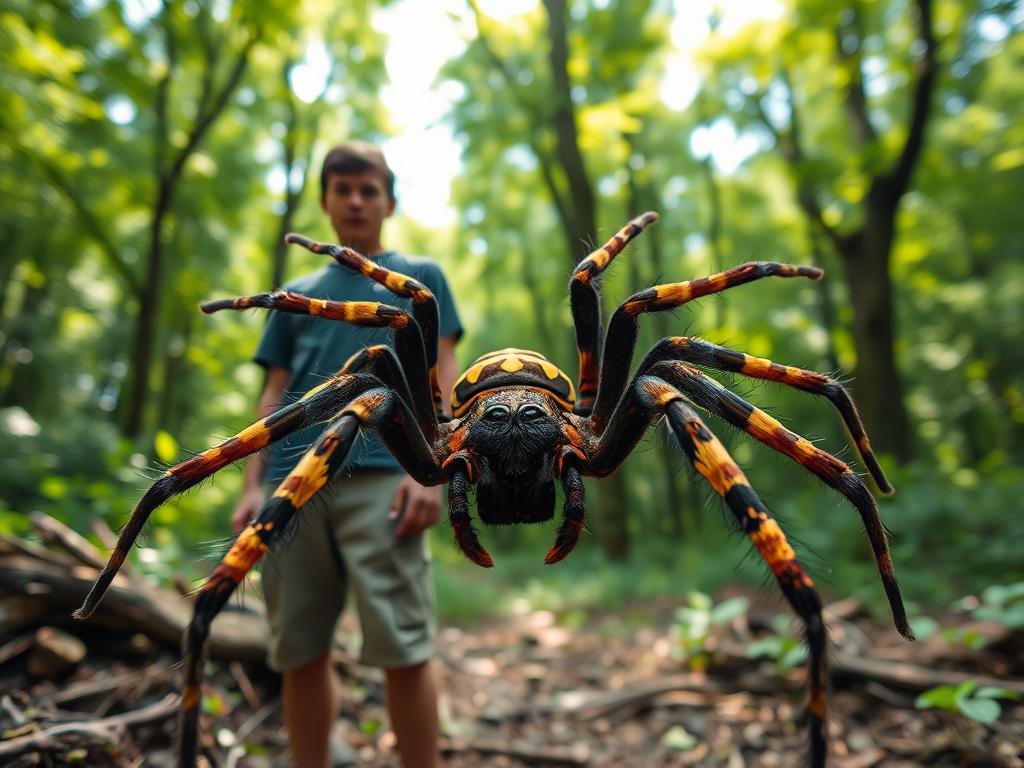
When a Joro spider appears, take deep breaths. They are quick to move away when scared. People often wonder if flying spiders bite and if it’s likely here. In most cases, the risk is very low.
Stay calm and give it space
Don’t try to swat or grab the spider. Instead, step back a few feet. Most creepy spiders, like Joros, will retreat when they feel vibrations in their webs.
If you’re worried about a flying spider bite, remember they mostly eat insects, not people. Move slowly and carefully to avoid any chance of contact.
Safe ways to move past webs on porches and trails
When walking on a deck or path, use a broom or long stick to open a gap in the web. If you can, walk around the web instead. If not, create a small path and move through calmly.
For bigger areas, use dewebbing brushes like professionals do. This is best during the day when you can see well. It helps keep webs from blocking doors and steps.
Protecting kids, pets, and outdoor guests
Watch kids closely near places where Joro webs might be. Teach them not to touch webs or spiders. Keep dogs on a leash in tight spaces.
If a seating area is covered in silk, clean it before people gather. Leave webs in quiet corners where they help keep mosquitoes and stink bugs away. This way, you can enjoy your outdoor space without worrying about spider bites.
What to do if you are bitten by a Joro spider
Stay calm if you think you’ve been bitten by a Joro spider. Most reactions are mild, like a bee sting. You can manage symptoms at home with a few steps.
First aid basics: wash, ice, and monitor
First, wash the area with soap and water. Pat it dry and use a cold pack for 10 minutes on, 10 minutes off. This helps with swelling and itch.
Don’t scratch the area. An over-the-counter antihistamine can help with redness and itch. Rest and drinking plenty of water are also important.
When redness or blistering needs a clinician’s attention
If redness spreads, blisters grow, pain gets worse, or you feel feverish, nauseous, or dizzy, see a doctor. People with severe allergies should get help fast, if swelling affects the face or throat.
Experts say most reactions are minor. But, it’s important to get help if symptoms get worse. A doctor can check for other causes and prevent infection.
Documenting a possible flying spider bite or joro spider bite picture
Take a clear picture of the bite as soon as you notice it and again a few hours later. Note the time, where it happened, and any symptoms. This helps a doctor understand what’s happening.
If you can see the spider, describe or take a picture of it from a distance. Look for yellow bands, small red spots, and a golden web. Good notes can help figure out if it’s a flying spider bite or something else.
How to get rid of Joro spiders safely and effectively
People see the bright webs and want fast results, yet they also want to protect gardens and wildlife. Here is how to get rid of joro spiders with methods that balance speed, safety, and respect for the ecosystem. The tips below also clear up worries about whether a joro spider poisonous risk should change their approach to the parachute spider.
Manual removal vs. kill methods: when and how
Gloves and long sleeves help with direct handling. For a humane choice, they can cup the spider in a container, detach the web, and release it in a wooded edge away from doors and play areas. This suits light activity and curious observers of the parachute spider.
When numbers spike, quick elimination is more practical. University of Georgia field notes describe wrapping an individual in its web and crushing it. People who worry that a joro spider poisonous label means high danger can relax; the point here is control, not panic. Act during daylight when webs are easy to see.
Dewebbing strategies for porches, eaves, and garden structures
Start every effort with dewebbing. A stiff dewebbing brush or a long-handled duster pulls down silk anchors on porches, eaves, pergolas, and mailboxes. This reduces accidental contact and keeps spiders from rebuilding in the same spot.
Work from top to bottom, then bag and trash the webbing. Pair this with sweeping railings and wiping light fixtures. As people learn how to get rid of joro spiders, routine dewebbing two or three times a week keeps traffic areas clear.
Insecticides used by pros: bifenthrin, deltamethrin, lambda-cyhalothrin
Licensed technicians often use residual products with bifenthrin, deltamethrin, or lambda-cyhalothrin on exterior frames, soffits, and entry points. Spot-treat active webs and egg sacs, following the product label exactly. This approach is effective for heavy activity and short windows of the parachute spider season.
Homeowners should avoid broadcast fogging. Narrow bands around door frames, deck posts, and eaves work better and limit drift. If they worry about joro spider poisonous concerns, they can add eye protection and keep pets indoors until treated surfaces dry.
Responsible management to reduce nuisance without harming ecosystems
Joro spiders eat mosquitoes, midges, and stink bugs. That matters. Smart plans combine dewebbing, habitat cleanup, and minimal spraying. Trim vines, reduce night lighting that attracts prey, and relocate single spiders when practical.
Reserve kill steps and insecticides for clusters near doors, kids’ play zones, and seating. By pacing treatments, residents learn how to get rid of joro spiders while keeping the landscape healthy. This balanced path lowers risk, addresses any joro spider poisonous misconceptions, and keeps the parachute spider from taking over porches and paths.
Prevention tips to keep Joro spiders away from your home
Start by trimming shrubs and pruning low branches. This makes it harder for Joro spiders to spin webs near doors and windows. Also, sweep eaves, porch corners, and railings weekly to catch new webs.
Reduce their food supply to slow down Joro spider activity. Use yellow “bug” lights instead of bright bulbs. Turn off outdoor lights when not in use to reduce insect attraction.
Seal gaps at thresholds and window frames with weatherstripping or silicone caulk. Move firewood and storage bins away from walls. Clear leaf litter and clutter to prevent spiders and insects from hiding.
Manage moisture to prevent swarms of gnats and moths. Drain standing water and clean gutters. Fix leaky spigots to make it harder for spiderlings to find shelter.
Regular dewebbing with a long brush keeps porches and pergolas free from webs. For more tips, see this guide to repel Joro spiders.
Note: Joro spiders are not aggressive. Most bites are like bee stings. Preventing them keeps your home safe and your garden healthy.
Where Joro spiders are spreading in the U.S.
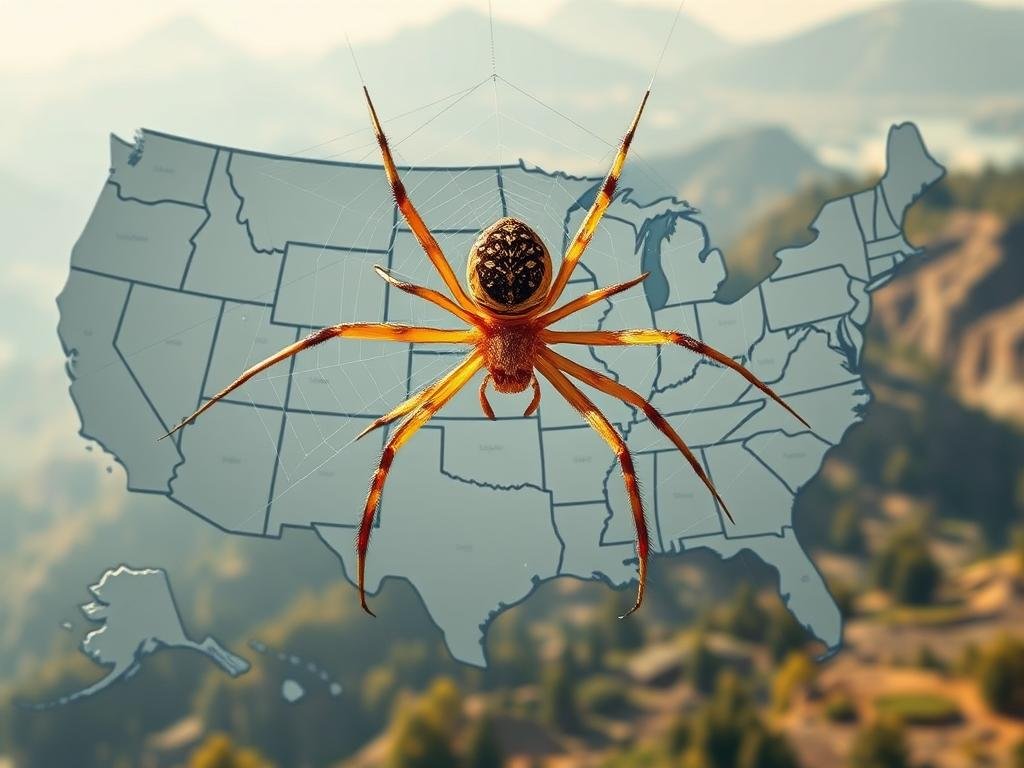
A new spider is spreading from Georgia to the Mid-Atlantic. People see them flying near homes, parks, and highways. They also notice big golden webs on porches as summer goes on.
Early records and shipping routes show they arrived around 2013. They grew fast in areas with lots of insects. News and studies from universities confirm their spread in Georgia and South Carolina. They’ve even been found in Oklahoma and Maryland.
From the Southeast to the Mid-Atlantic and beyond
They’re now found in areas like Atlanta, Greenville, and coastal cities. Their webs stick to buildings and mailboxes. They’re moving toward the Appalachian foothills and cities in the Mid-Atlantic.
New York City and parts of the Tri-State Area are next. They use transit and greenways to move. This helps them spread.
Why they tolerate cold and what that means for new regions
This spider can handle short freezes and late frosts. This lets them move into colder areas. They survive the winter under siding and bark, then hatch when it gets warmer.
Cold weather slows them down but doesn’t stop them. Cities with heat islands, like Philadelphia and New York, help them survive and spread each spring.
Seasonal patterns: when sightings and webs peak
In spring, tiny spiderlings ride the wind on silk threads. This is their ballooning phase. Summer brings big webs on porches and trail openings. By late summer and early fall, the females and their webs are hard to miss.
Reports peak twice: in spring ballooning and when big webs appear in summer. This helps them move from block to block, from cul-de-sacs to park edges.
| Region | Current Status | Drivers of Spread | Typical Sightings | Peak Windows |
|---|---|---|---|---|
| Georgia & South Carolina | Established and expanding | Warm seasons, abundant prey, suburban structures | Golden orb webs on porches, trail crossings | Spring ballooning; late-summer web displays |
| Mid-Atlantic (North Carolina to Maryland) | Consistent reports, growing footholds | Transit corridors, mixed forests, mild winters | Webs on eaves, mailboxes, and wooded edges | April–May dispersal; August–October prominence |
| Northeast Urban Hubs | Within possible pathway | Heat islands, landscaping, rail and highway networks | Patchy sightings, scattered webs near buildings | Warm spells in spring; late-summer visibility |
| Southern Plains (e.g., Oklahoma) | Isolated but confirmed | Wind-assisted ballooning, shipping routes | Occasional porch webs, fence-line anchors | Spring dispersal; late-season growth phases |
Note: People also call them parachute spiders during the ballooning phase. This is because they ride on air currents across neighborhoods and fields.
Myths vs. facts about the “parachute spider” and other creepy spiders
When people see a bright web and long legs, they call it the “parachute spider.” This term is for young Joro spiderlings that ride the wind on silk. Adults don’t fly like drones. They have yellow bands, red markings, and golden webs, which help tell the truth from myths.
Joro spider flying vs. “giant” or “skull” and “stone” spider rumors
Online, a common orb weaver is often called a giant spider or even a skull spider or stone spider. These names are exciting but not true. The spiderlings that seem to fly are just young ones on the wind. Adult Joros stay in one place and make their webs.
Knowing what you see is key. If the web is gold and the spider has yellow bands with red, it’s a Joro. They don’t have special powers or unique features. They just spin webs like other orb weavers.
Are Joro spiders poisonous to humans and pets?
People wonder if Joro spiders are poisonous. Experts say Joros have venom, but bites are rare and usually mild. They might feel like a bee sting unless you’re allergic.
It’s important to handle them carefully. Don’t pin the spider or touch bare skin to the web. If you get bitten, wash it, use a cold pack, and watch for signs. Pets usually ignore them, and the spider prefers to hide than bite.
Comparing to venomous spiders in Florida and Mexico
To understand Joros better, compare them to venomous spiders in Florida and Mexico. Spiders like the widow or recluse are more dangerous. Joros are less risky and mostly a nuisance.
Knowing what to look for helps families enjoy their yards. Learn to spot Joros, keep paths clear, and know which spiders are dangerous. This way, we can ignore scary names and focus on what really matters.
Conclusion
The Joro spider has become a common sight in the United States. Their bright colors and golden webs are seen on porches and in backyards. They spread through a unique behavior called ballooning, earning them the nickname parachute spider.
These spiders are moving north from the Southeast into the Mid-Atlantic. They adapt well to different climates, leading to more sightings.
So, are joro spiders dangerous? Experts say no for most people and pets. They have venom, but they are shy and rarely bite. If they do, it’s usually when handled or trapped.
A joro spider bite is mild, feeling like a bee sting. If you get bitten, just wash the area, apply ice, and watch for any changes. See a doctor if you notice redness, blisters, or an allergic reaction.
Staying calm and giving webs space is key. Teaching kids and guests to respect spiders helps too.
Homeowners can choose to live with joro spiders or control them. Leaving webs alone can help control mosquitoes and gnats. If webs are a problem, you can deweb them gently or use insecticides like bifenthrin or lambda-cyhalothrin.
Knowing how to identify and manage joro spiders makes outdoor spaces safer. With the right approach, we can peacefully coexist with these spiders.
Be the first to comment