

Nearly 3 million New Yorkers rely on monthly food aid. The average household gets $376. This money also helps local grocers and farmers. Now, a federal shutdown might pause November payments, affecting kitchens and stores.
New York’s Office of Temporary and Disability Assistance says November SNAP will wait for federal funds. This means SNAP NY State and SNAP NYS recipients face a gap. Courts are pushing Washington to use emergency funds, but delays are possible.
Advocates are calling for quick action. Retailers and farmers are worried about sales drops. Governor Kathy Hochul is under pressure, and her updates will guide relief efforts. For now, SNAP benefits NYC and food stamps NY users should follow OTDA and city updates for help.
What the federal shutdown means for SNAP in New York
When Washington stalls, New York households feel it at the grocery checkout. SNAP NYS depends on federal dollars, so a pause in funding slows aid. Families who rely on SNAP benefits NY face timing gaps, even if they’re eligible.
Why shutdowns impact SNAP funding and timing
SNAP is funded by the U.S. Department of Agriculture. During a shutdown, USDA SNAP New York can’t release funds. This creates a hold on monthly payments.
Once funding is restored, missed payments are released. It may take a short time to post these payments because systems need to catch up.
USDA funding flow and OTDA’s role (SNAP NYS)
Money flows from USDA to the state, then to EBT accounts. In New York, OTDA SNAP manages this flow with county social services and New York City’s Human Resources Administration. OTDA updates timing and confirms when payments resume for SNAP NY State.
Case changes, interviews, and reviews continue. This ensures people stay eligible when funds arrive. It helps prevent extra delays and protects access to food stamps NY when the federal tap turns back on.
How delays affect retailers, farmers, and households
SNAP purchases are vital for local stores and growers. The average New York household gets about $376 monthly. Delays can affect corner markets, supermarkets, and farm stands.
Retailers plan staffing and orders based on expected volume. Farmers who sell through markets lose steady demand during a pause. Households stretch budgets, often turning to food banks that cannot match SNAP’s scale.
| Stakeholder | Primary Impact During Pause | Why It Matters | What Resumes When Funds Return |
|---|---|---|---|
| Households | Late EBT deposits and fewer groceries | SNAP benefits NY cover core food costs | Queued payments for eligible cases |
| Retailers | Lower sales and tighter cash flow | SNAP drives weekly revenue and inventory turns | Transaction volume rebounds with issuances |
| Farmers | Reduced market demand | SNAP spending supports local produce sales | Customer traffic and redemptions recover |
| Administrators (OTDA SNAP) | Processing continues without payouts | Keeps SNAP eligibility NY current | USDA SNAP New York funds flow to EBT |
Key takeaway: the pause delays timing, not eligibility, and normal operations resume once federal funding restarts for SNAP NYS and SNAP NY State.
November benefits: What to expect if your SNAP is delayed
New Yorkers are keeping an eye on SNAP NY State updates as agencies face SNAP November delays. Those eligible for SNAP benefits in NYC should expect a hold until federal funds are available. During this time, families can check their balances and notices, but no funds will be loaded.
OTDA guidance: November benefits paused until federal funds arrive
New York’s Office of Temporary and Disability Assistance has announced that November benefits will wait for federal money. Even if a notice shows an approved amount, the card won’t load until funds are received. Households can continue to recertify or report changes at a SNAP office NYC or online, but payments will remain paused.
Issuance timing once shutdown ends and processing lag
When Washington releases funding, OTDA will start payments in waves. It will take a few days to send out November benefits statewide. Some cases might take longer due to system recoding and file runs.
How to track status: NYC ACCESS HRA, myBenefits, ebtEDGE, text alerts
To stay updated, residents can check various channels for SNAP NY State updates. In New York City, ACCESS HRA shows case status and pending issuances. Statewide, myBenefits offers application and case details. For card activity, ebtEDGE lets people check balances and recent transactions.
- Check ACCESS HRA in NYC for status and notices.
- Use myBenefits for statewide updates and applications.
- Review ebtEDGE, keep the last store receipt, or call 1-888-328-6399.
- Opt in to text alerts to learn when funds post.
OTDA will not send delay letters during SNAP November delays. Some eligibility notices may arrive, but funds won’t load until federal release. People can visit a SNAP office NYC for in-person help if they need assistance understanding their case.
| What to Watch | Where to Check | What It Shows | Who Should Use It |
|---|---|---|---|
| Case status and documents | ACCESS HRA | Application steps, recert dates, notices | NYC residents tracking SNAP benefits NYC eligibility |
| Statewide case updates | myBenefits | Approvals, household info, benefit history | All New Yorkers outside or inside NYC |
| EBT balance and deposits | ebtEDGE | Real-time balance, last transactions, deposit dates | Anyone confirming when funds post |
| Live assistance | SNAP office NYC | In-person guidance, document help | Households needing direct support |
Will your EBT card will work in November?
Yes, you can use an EBT card NYC in November for funds already issued. OTDA says SNAP benefits NY can be spent at approved places. Public Assistance keeps going as usual, SNAP NYS guidance confirms.
Balance checks are simple: check the last receipt, call 1-888-328-6399, or use ebtEDGE.com and the ebtEDGE app. This shows your NYC EBT balance. For extra safety, freeze and unfreeze the card and follow steps to prevent theft before swiping.
Shoppers can use food stamps NYC on eligible groceries at many places. This includes supermarkets, bodegas, and Greenmarket stands that accept stamps NYC. For updates on federal timing and full November issuances, see this USDA notice. Then, plan your purchases based on your balance in ebtEDGE.
Applying, recertifying, and meeting NYC SNAP requirements during the shutdown

New Yorkers can keep their cases moving even when payments are paused. Agencies accept forms, schedule interviews, and make decisions. Staying current with the requirements for food stamps NYC helps protect SNAP eligibility NYC once funding resumes.
Can you apply for SNAP during the pause? (snap office NYC and online)
Yes. People can apply through myBenefits, by mail, or in person at a SNAP office NYC. Those applying should finish the interview and upload documents as usual.
If approved now, benefits for November may not load until federal funds return. Households should submit proof of identity, residency, and food stamps NYC income to avoid delays later.
Recertification deadlines and change reporting responsibilities
Everyone must meet deadlines for SNAP NY State recertification. They can file online, in person, or by mail. Timely recertification keeps cases open and avoids gaps when issuances restart.
They must also report required household changes, including address, people in the home, and food stamps NYC income shifts. Report changes with the SNAP Change Report Form and respond to any agency follow-up.
Notices you may receive even while payments are paused
Recipients may get approval or pending notices stating they qualify for November. These confirm SNAP eligibility NYC, but funds will not post until federal dollars are available.
Fair hearings filed only because of shutdown delays will not be scheduled, as agencies cannot issue benefits without funding. Keep notices, track case numbers, and reply quickly to any requests so the case is ready when payments resume.
Work requirements and time limits: What changes now for SNAP eligibility NYC
New rules make it harder for some adults to get food help. Agencies are sending out notices. This change affects SNAP eligibility in NYC and the whole state.
New York City’s Human Resources Administration (HRA) and county offices will check hours and months. They will decide who gets SNAP in NY with these new rules.
Who qualifies for SNAP in NY under the new rules
Adults 18–64 without kids or dependents might face work rules. If they’re not pregnant or disabled, they must work to keep aid. Veterans, homeless people, and aging foster youth might be exempt.
Local offices will follow OTDA’s SNAP requirements NYC. They will decide who meets the rules.
ABAWD criteria: ages, dependents, exemptions, and documentation
ABAWD New York rules apply to many childless adults. Exemptions include disability, pregnancy, and other cases listed by OTDA. To prove an exemption or hours, recipients must submit documents.
HRA in the city and county agencies will check these documents. They will also advise on what counts toward compliance.
Compliance timeline: November start, first countable month December, possible loss by March 2026
The work standard starts November 1. December is the first month that counts toward the three-month limit. Agencies can’t cut off benefits before March 1, 2026.
But, people should start tracking hours now. HRA and counties will send notices and explain the rules. They will help people understand how these changes affect SNAP eligibility in NY through 2026.
Keeping benefits: Ways to meet the new SNAP NYC requirements
New Yorkers can keep their food help by meeting updated NYC SNAP requirements. They can do this through work, school, or approved service. The rules are simple, based on hour counts and clear documentation handled by HRA NYC SNAP.
Those unsure about fit can ask for a review. Or they can seek a medical waiver when health limits apply.
Counting hours: work, school, volunteering, and community service
Most adults meet SNAP work requirements NYC by reaching about 80 hours each month. Paid jobs, paid training, work-study, and approved education all count. So do supervised volunteering and community service arranged with HRA NYC SNAP partners.
People can blend activities to reach the total. A week might include a part-time shift, a class session, and a service day. Keep simple proof: pay stubs, schedules, or signed timesheets.
How hours are calculated based on benefit amount and NY minimum wage
For community service, the hour target can be lower. OTDA sets the total by dividing the household’s monthly benefit by the New York minimum wage. A common example shows how it works: a $300 monthly allotment divided by $16.50 equals about 18 hours for that month.
This math only applies to community service. If someone is working or studying, they can meet SNAP benefits NYC eligibility with the standard monthly hour count. HRA NYC SNAP can confirm which track fits best.
Medical exemptions: OTDA/HRA forms, provider options, and city support
When health limits reduce capacity, a SNAP NY State medical exemption may apply. OTDA and the city offer forms that accept broad explanations from licensed providers. A specific diagnosis is not required; the focus is on how the condition affects work or participation.
Doctors, nurse practitioners, licensed clinical social workers, and behavioral health clinicians can complete the paperwork. HRA NYC SNAP staff can help residents without a provider connect to professionals who can assess for exemptions. This pathway protects SNAP eligibility NY when work or service is not realistic.
Kathy Hochul: State actions, emergency funding, and calls for relief
Kathy Hochul is working to help families affected by SNAP delays. She has a plan to use emergency funds and quick grants to help. This is her way of fulfilling a moral duty to feed families.
New money and faster awards are going to food banks and pantries. They are also helping schools. This is to meet the growing demand for food.
Volunteers and businesses are also helping. They are working together to make sure everyone has enough to eat. But, the state can’t promise extra food stamps NY on its own.
Hochul New York response: state emergency NY and aid to food programs
The state has declared an emergency and is committing over $106 million to help. This money will go towards more deliveries and faster payments. Food providers are expecting long lines, so they are preparing ahead of time.
The state is also working with cities to help those in need. They are using different languages and making weekend deliveries. But, they can’t replace federal SNAP benefits completely.
Advocacy pressure to cover ~$650M/month in SNAP benefits
Advocates say the state could cover about $650 million in lost SNAP benefits each month. They suggest using rainy-day funds and calling an emergency session. They believe this will help with the food shortage and pantry capacity.
Hochul agrees that the situation is urgent. But, she says the state can’t keep up with SNAP costs every month. The debate is about how far emergency funds should go and balancing immediate relief with long-term costs.
Comparisons to other states’ emergency measures
Other states have different plans. Virginia and Delaware have promised to cover paused benefits after declaring emergencies. New Mexico will fund at least ten days of benefits.
California has directed $80 million to food banks and is using the National Guard. These actions are similar to what Hochul is doing in New York. But, Hochul’s plan focuses on targeted grants and logistics under a state emergency.
For now, these steps are helping, but they’re not a permanent solution. As the shutdown continues, there will be more pressure on Hochul and lawmakers. They will have to decide between short-term fixes or making a bigger financial commitment.
Other programs affected: WIC, HEAP, Summer EBT, and Medicaid/Medicare
Many NYS aid programs face risks during the shutdown. Families using WIC New York, HEAP NYS aid, Summer EBT NY, Medicaid New York, and Medicare New York need to stay alert. They should plan for short-term gaps in services.
WIC operations and temporary federal backstops
WIC New York is running on temporary federal funds. These funds have been used more than once to avoid a funding crisis. Advocates believe these reserves might last until mid to late November. But, there’s no promise of more funds if the shutdown goes on.
Parents should keep their WIC appointments. They should also ask about extending their eWIC balances and save their receipts. If there are issues with stores, they can contact local agencies for other options. NY P-EBT cards are different and not a substitute for WIC foods, but families might use both.
HEAP (nys aid) timeline shift and what to expect
OTDA says there’s a delay in the start of HEAP Regular benefits. Applications will open on November 17, 2025, if the federal government acts and notifies the U.S. Department of Health and Human Services. Many families use SNAP and HEAP together, which might make their budgets tighter as winter starts.
Applicants should get ready by gathering old utility bills, proof of where they live, and income documents now. They can also talk to their utility about payment plans or forgiveness of past debts. This will help their application move quickly when HEAP opens.
Summer EBT unaffected; Medicaid/Medicare continuity
Summer EBT NY is not affected by the shutdown. Families have 122 days to use the funds, and balances stay active until they expire. If they don’t shop often, they should make a small purchase to keep the card active.
Medicaid New York and Medicare New York keep going, but federal staff shortages might slow down some tasks. Members should quickly respond to any mail or renewal requests. For families with mixed immigration status, using NY P-EBT and other NYS aid programs can help keep care stable during delays.
| Program | Status During Shutdown | Key Action for Households | Timing Notes |
|---|---|---|---|
| WIC New York | Operating on temporary federal backstops | Keep clinic visits; confirm eWIC balances; save receipts | Backstops may carry into mid–late November; no guarantee beyond |
| HEAP NYS aid | Start delayed and contingent on federal notification | Prepare documents; contact utility for interim options | Regular benefit applications expected November 17, 2025 |
| Summer EBT NY | Unaffected | Use benefits within 122 days; keep card active | Standard expiration rules apply |
| Medicaid New York | Continues with possible slower processing | Respond to renewals and notices promptly | Eligibility checks may take longer |
| Medicare New York | Continues with possible administrative delays | Track appeals and coverage updates | Expect slower verification if federal staffing is reduced |
| NY P-EBT | Separate from WIC and Medicaid | Monitor card balance; keep contact info current | Follows its own issuance and use timelines |
Where to find food now: NYC and NY State resources during the pause
Families facing a food shortage in NYC can get help now. State and city partners are working together to provide extra food. They are doing this while food stamps NYC payments are paused. Here are some ways to find food today and stretch your budget.
Food banks, pantries, and EFROs: maps and hotlines (211/311/USDA)
OTDA has a list of food banks and EFROs in New York. You can also use The Food Pantries’ Food Connect Map to find pantry hours and delivery options. Hunger Free America offers help during busy times.
For immediate help, call the USDA National Hunger Hotline at 1-866-3-HUNGRY or 1-877-8-HAMBRE. Dial 211 New York statewide or 311 NYC for local pantry referrals. Text 914-342-7744 to find food options near you quickly.
Double Up Food Bucks and farmers market options (stamps NYC)
Shoppers with stamps NYC can double their purchases of fruits and vegetables at certain markets. Double Up Food Bucks NY matches EBT purchases for more fresh produce. This helps stretch food stamps NYC and keep healthy food available.
Tip: Check with the market info tent or cashier about hours and match limits before you go. Many sites post updates on weather closures and special distributions to help in high-need areas.
Mutual aid, local organizations, and West Side Campaign Against Hunger
Mutual aid groups in the boroughs offer grocery drops, cooked meals, and check-ins for seniors. Elected officials’ offices have lists of pantries, pop-ups, and EFROs New York partners. These networks help when big pantries get too busy.
West Side Campaign Against Hunger is increasing deliveries and distribution to meet demand. CEO Greg Silverman says pantries can’t replace SNAP, urging residents to stay informed and speak up. Using WSCAH resources with 211 New York and 311 NYC can help find safe, nearby food until payments resume.
Partial payments, court orders, and what “reduced benefits” could mean
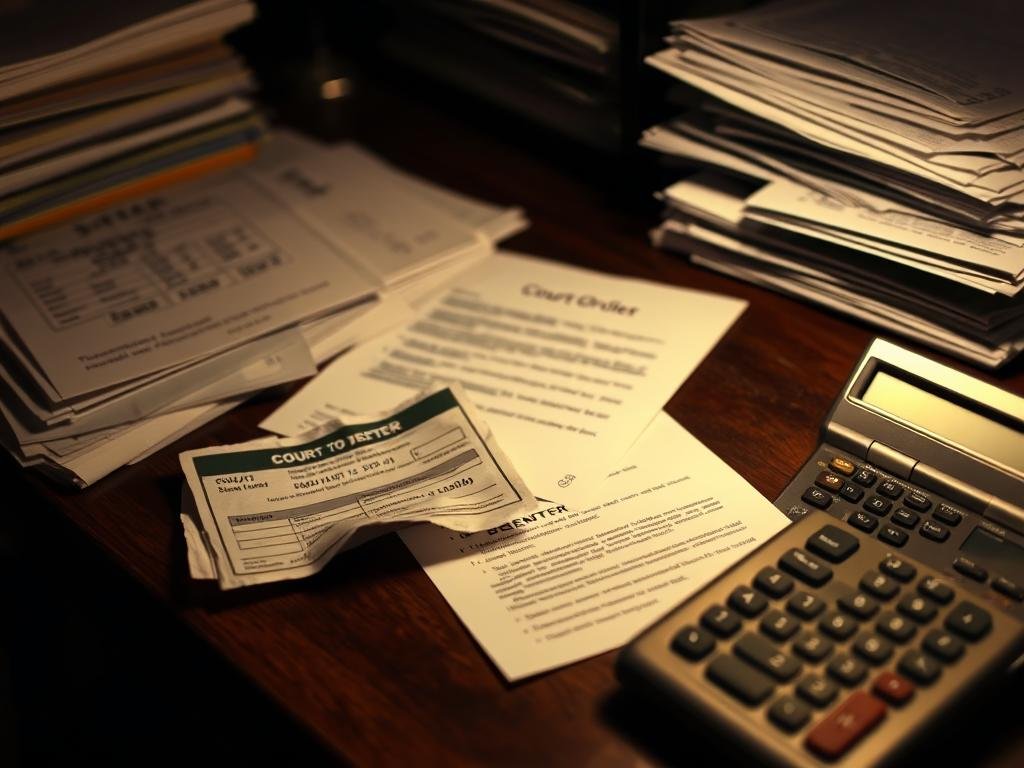
New Yorkers are facing a new challenge. A court order SNAP has forced payments to start again. But, the timing and amounts might change. Families should get ready for reduced SNAP benefits and slower processing due to federal funding limits and state system updates.
Contingency funds, possible half-benefit scenarios, and delays
The administration has unlocked contingency funds USDA. They have about $4.65 billion, which is half of what they usually have. This means many families will get reduced SNAP benefits until more money is available.
Even with the court order SNAP, getting payments might take time. It takes time to figure out how much each family should get and to send out the money. So, expect SNAP NY State delays if agencies have to send payments in batches.
State system recoding and realistic timelines
States need to update their systems to handle partial payments. New York and New York City are working on this. It can take weeks or even months to do this.
While they work on this, they also have to make sure deductions and household size rules are followed. This helps avoid mistakes but might slow things down. This could lead to more SNAP NY State delays even if there’s enough money.
How this affects new applicants and disaster assistance
Using up the contingency funds USDA might mean fewer new families can get help. If there’s no more money, some families might have to wait until more funds come in. This could mean reduced SNAP benefits for everyone.
There’s also a problem with SNAP disaster assistance. If bad weather hits, there might not be enough money to help right away. Advocates say that, even with the court order SNAP, there won’t be enough to go around. This could cause SNAP NY State delays for everyone.
| Issue | What New Yorkers May See | Why It’s Happening | Practical Tip |
|---|---|---|---|
| Partial Issuances | Lower monthly amounts | Limited contingency funds USDA | Plan for reduced SNAP benefits; adjust grocery budgets |
| Processing Delays | Later EBT deposits | Complex payment calculations and batch runs | Check your EBT balance frequently; expect staggered deposits |
| System Recoding | Slow notices or mixed messaging | State eligibility systems updating for partial payments | Keep recent mail and case numbers; respond to requests fast |
| New Applicants | Approved but no funds loaded | Reserves diverted to existing cases first | Confirm certification dates; watch for pending status |
| Disaster Assistance | Limited rapid aid | SNAP disaster assistance competing with monthly costs | Document losses early; follow state alerts closely |
How to apply or get help fast: SNAP NY State and NYC apply for food stamps
New Yorkers can start or finish an application. Online portals and local sites are open. Approvals might happen, but payments could wait on federal funds.
Plan ahead so your household is ready when payments start again.
myBenefits, ACCESS HRA, and local offices in boroughs
Statewide, use myBenefits for SNAP NY State. In the city, ACCESS HRA helps with NYC food stamps. They offer uploads and recertifications in one spot.
For in-person help, visit a SNAP office in every borough. Queens has special sites for SNAP benefits.
Mail-in forms are accepted if online access is hard. Keep copies of all submitted documents. If time is short, ask about expedited review. Understand that issuance might be delayed during a federal pause.
Requirements for food stamps NYC: documents, income, and eligibility
Bring proof of identity and residency, plus household size. Immigration status, when relevant, should be verified. Income and resources are important.
Useful documents include a photo ID, lease or utility bill, pay stubs, benefit letters, and proof of childcare or medical costs. Meeting the requirements early can speed up the process if interviews or follow-ups are needed.
Related supports: cash assistance NYC, emergency food stamps NYC
While applying, cash assistance NYC through HRA can help. It continues processing. For immediate needs, ask about emergency food stamps NYC, also known as expedited SNAP.
Approvals can be fast, but funds may load after federal money is available. Check community food options while waiting. This can stretch your budget and fill gaps.
A quick visit to a SNAP office NYC or a call to city hotlines can help find local assistance the same day.
Conclusion
New Yorkers should prepare for delayed November SNAP benefits because federal funds are on hold. OTDA assures that EBT cards will work for any remaining balance. Applications and recertifications will continue as usual.
All rules, including new work standards for SNAP eligibility in NY, will remain in place. People can track their SNAP benefits in NYC through various channels. This includes ACCESS HRA, myBenefits, ebtEDGE, or by calling 211, 311, or the USDA hotline.
Work requirements will start in November, with December being the first month counted. No one will face termination before March 2026 due to these rules. HRA and county teams are working to help with job paths and medical exemptions.
This guidance applies to all SNAP NYS programs. It helps households keep their food stamps while the budget standoff continues.
Governor Kathy Hochul declared a state emergency in NY and set aside $106 million for food programs. Advocates are pushing to cover the roughly $650 million monthly gap. Courts have ordered the use of emergency funds, which may lead to partial payments and slower processing.
People should expect staggered issuance of benefits once the shutdown ends. They should watch official channels for updates on timing.
Until full funding returns, people can rely on food banks, EFROs, and Double Up Food Bucks. They should also keep their documents ready for renewals. Hochul’s actions in New York are stabilizing the safety net, but planning ahead is essential.
Stay alert to OTDA notices, keep your cards active, and be ready for a quick restart of full SNAP benefits in NYC when federal dollars are available again.
Be the first to comment