

Seventy percent of New Yorkers say safety and housing are key. Tonight in NYC, these topics were at the center of a heated debate in Queens. The debate live featured Democrat Zohran Mamdani, independent Andrew Cuomo, and Republican Curtis Sliwa in their last showdown before early voting.
Viewers heard strong differences on crime, immigration, transit, and money matters. This was their final face-off before early voting.
The main clash was between Cuomo and Mamdani, with Sliwa adding sharp law-and-order views. They debated an ICE raid on Canal Street, antisemitism, safety for Jewish New Yorkers, rent relief, and free buses. For those watching ny news live or replaying the debate, the big question was: who won, and what does it mean for the city’s future?
Analyst J.C. Polanco said Cuomo won with a “masterclass on governance.” He noted Sliwa’s strong performance and Mamdani’s decline. Yet, polls before the debate had Mamdani leading. As voters review the debate highlights and replays, they see intense moments, clear policy differences, and a race that’s far from over.
Debate overview and why tonight in NYC mattered for voters and ny news live
Early voting days were just around the corner, and tonight in NYC was buzzing with excitement. People were eager to know when and how long the debate would last. Many tuned in live on their phones, eager to see what would happen.
Setting: final face-off before early voting and Election Day
The debate took place in a packed Queens university auditorium. It was just before nine days of early voting and Election Day. Over 90 minutes, the stage was a preview of what kind of leader each candidate would be.
Live audience energy in Queens and on debate tonight watch live streams
Cheers and jeers filled the hall, pushing candidates to give clear answers. On live streams, the energy was palpable. Viewers wondered how long the debate would last as the exchanges grew intense. Errol Louis kept the conversation on track.
Key topics: housing, immigration raids, Israel-Gaza, transit, crime
Moderators focused on rent policy, ballot measures, and the ICE raid on Canal Street. They also discussed the Israel-Gaza war, transit funding, and crime trends. Those following the debate heard plans for daily life, like fares, safety, and affordable housing.
On-stage performance: Cuomo’s experience vs. Mamdani’s change message vs. Sliwa’s law-and-order pitch
Andrew Cuomo emphasized his crisis management skills and ability to work with a Trump White House. Zohran Mamdani focused on change, aiming to make life more affordable for working families. Curtis Sliwa pushed for law and order, mixing policy with personal stories.
| Element | Details from Queens Auditorium | What viewers tracked on ny news live | Why it mattered tonight in NYC |
|---|---|---|---|
| Timing | Final debate before early voting and Election Day | Searches for when is the debate tonight and how long is the debate tonight | Set expectations for the homestretch |
| Format | About 90 minutes, moderated by Errol Louis | debate tonight watch live streams amplified reactions | Real-time accountability under pressure |
| Top Issues | Housing, immigration raids, Israel-Gaza, transit, crime | Clip-by-clip fact checks and instant takes | Direct impact on costs, safety, and commutes |
| Contrasts | Cuomo: experience; Mamdani: change; Sliwa: law-and-order | Comparisons across policies and tone | Clearer choices for undecided voters |
How to watch the debate tonight and where to watch debate tonight for replay seekers
New Yorkers were eager to know how to watch the debate tonight. It was the second and final televised matchup before early voting. The debate aired for 90 minutes in prime time. Official replays were posted by the hosting network and its partners.
For those wondering where can I see the debate tonight, local station sites and their apps offer authenticated access after broadcast.
What channel is debate on tonight and debate tonight time and channel
Viewers often search what channel is debate on tonight and debate tonight time and channel. This helps them plan their evening. The event followed New York’s political coverage pattern.
It aired live on the same local partners that carried the first debate. Then, replays were available on their sites. If they ask is there a debate on TV tonight, the answer is yes. Check the local news channel guide used for city races.
Debate tonight live, debate stream, and debate tonight online options
For debate tonight live access, fans could use the network’s broadcast feed and a debate stream via its app. Those who missed it can find a debate tonight online replay on affiliated platforms and station portals. Social hubs that track where to watch debate tonight will aggregate links soon after air for quick catch-up.
Is there a debate on tv tonight on cable or debate tonight Fox-style coverage myths
Some search for debate tonight on Fox or assume Fox-branded coverage, but this was not a Fox production. Instead, look for debate on TV tonight through New York’s local partners known for city politics. When asking where can I see the debate tonight, rely on those channels and their digital replays.
| Viewer Need | Best Option | Why It Works | Quick Tip |
|---|---|---|---|
| Live broadcast | Local TV partners | They carried the first and final debates in prime time | Use the guide for what channel is debate on tonight |
| Replay seekers | Station websites and apps | Official on-demand posts after the live slot | Search debate tonight online for authenticated access |
| Mobile viewing | Debate stream on network app | Stable stream with captions and pause/rewind | Enable alerts for debate tonight live reminders |
| Cable-only homes | Check lineup for debate on TV tonight | Channels mirror the first debate carriage | Confirm debate tonight time and channel in the EPG |
| Aggregator links | Local news hubs and social feeds | They compile where to watch debate tonight fast | Use terms like how to watch the debate tonight |
Cuomo vs. Mamdani: the rivalry that dominated the night
In a charged hall, the sharpest split was experience versus change. For viewers tracking who is in tonight’s debate and searching ny news live updates, the exchange framed how power is earned and used in City Hall.
Clashes over experience, attendance in Albany, and governing competence
Andrew Cuomo said Zohran Mamdani lacks the record to manage a city budget or steer agencies. He hammered attendance in Albany and cast doubt on governing skills, claiming Mamdani padded his pay. Mamdani fired back that Cuomo “screwed the city” as governor, citing cuts that he says hurt housing and the MTA.
For voters wondering who won the debate tonight, this segment turned on receipts and trust. One side leaned on tenure; the other argued that the status quo failed New Yorkers.
Sexual misconduct allegations resurface; Cuomo’s denials and ongoing litigation context
Mamdani pressed Cuomo on the sexual harassment allegations tied to the 2021 resignation and noted that accuser Charlotte Bennett was in the room. He asked what Cuomo would say to the women who came forward.
Cuomo called the framing a misstatement, said prosecutors dropped cases, and denied wrongdoing. He acknowledged litigation context while returning to policy to steady his message for ny news live audiences.
Uganda photo controversy and LGBTQ+ policy credibility test for Mamdani
Cuomo questioned Mamdani over a photo with Uganda’s Deputy Prime Minister Rebecca Kadaga, a figure linked to anti-LGBTQ+ legislation. He asked why Mamdani had not renounced Ugandan citizenship and challenged his LGBTQ+ record.
Mamdani said he would not have taken the photo had he known Kadaga’s role. He countered that Cuomo lacked clear protections for LGBTQ+ New Yorkers and pointed to policies he says would expand safety and dignity. Viewers weighing who is in tonight’s debate and who won the debate tonight saw the night hinge on credibility and judgment.
| Flashpoint | Cuomo’s Argument | Mamdani’s Argument | What Voters Heard on ny news live |
|---|---|---|---|
| Experience & Attendance | Experience runs government; poor Albany attendance signals unready leadership. | Status quo failed; cuts to housing and transit demand new leadership. | Competence versus change, tested by records and roll calls. |
| Misconduct Allegations | Denials; cases dropped; refocus on policy performance. | Accountability matters; victims deserve answers. | Character and trust placed alongside policy claims. |
| Uganda Photo & LGBTQ+ Credibility | Photo raises doubts; questions on citizenship and allyship. | Would not take photo knowing context; push for stronger protections. | Values and judgment under the spotlight for who won the debate tonight. |
Curtis Sliwa’s strategy: sharp one-liners and crime-focused contrasts
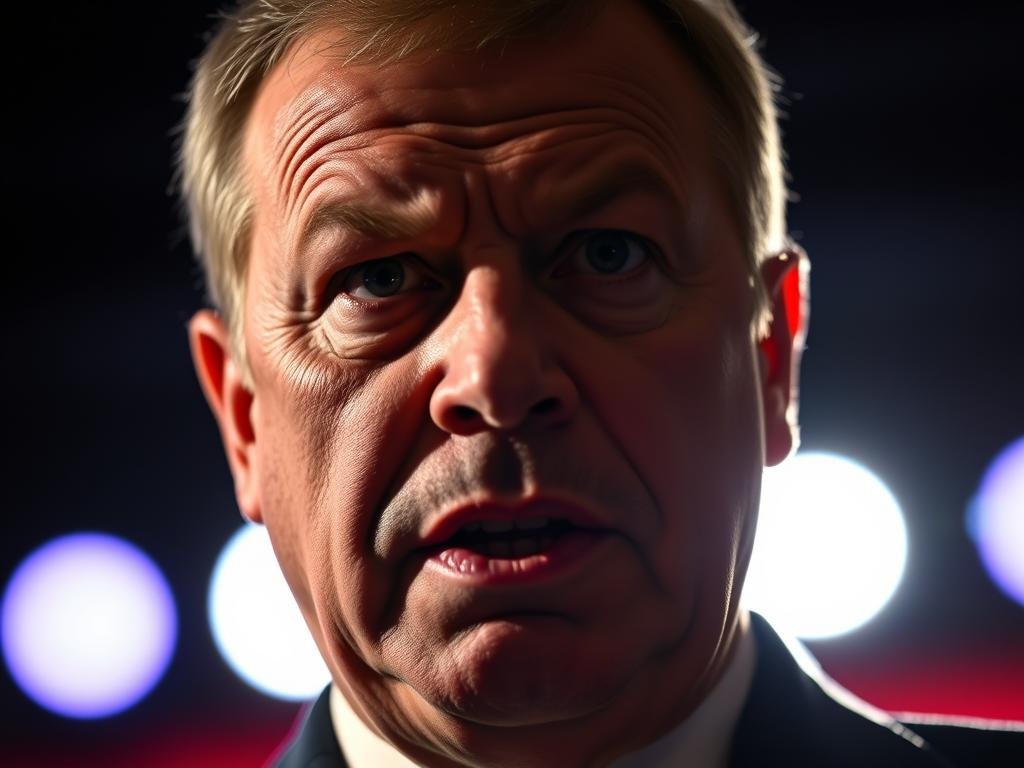
On the debate tonight stage, Curtis Sliwa carved a clear lane. Viewers who tuned in for debate watch live moments saw him press crime and accountability with brisk pace and punchy phrasing. Even with fix news debate chatter swirling online, he kept the spotlight on street-level safety and subway order.
“Fighting like kids in a schoolyard” and other zingers that drew laughs
Sliwa’s barbs landed fast. He said the frontrunners were “fighting like kids in a schoolyard,” then piled on with quips that mixed humor and sting. The crowd reacted, and the cameras cut back to him again and again during the debate tonight exchanges.
Those zingers served a purpose: frame himself as the adult in the room while viewers on debate watch live streams weighed tone and timing. The cadence gave his message snap without drowning out policy.
Personal story on his son and the Raise the Age critique
The room turned quiet when he told the story of his son Anthony’s assault. He argued that Raise the Age pushed violent juveniles into family court, softening consequences. He called for charging violent offenses in criminal court, picking judges who follow the law, and ending no-cash bail leniency for repeat violent acts.
Analyst J.C. Polanco noted he commanded the floor with passion and focus. For voters tracking crime policy on debate tonight feeds, the appeal felt direct and urgent.
Transit stance: more cops, fare enforcement, cleaner stations
On the subways, Sliwa’s line was blunt: “Everybody pays their fare.” He pushed for more NYPD presence, consistent fare checks, and community sponsorships to clean and beautify stations—while invoking the 2017 “Summer of Hell” to slam past management choices.
He tied transit order to street safety, arguing that reliable enforcement curbs chaos. For those following fix news debate narratives and debate watch live coverage, his message merged aesthetics with deterrence.
| Theme | Sliwa’s Core Line | Policy Move | Intended Impact |
|---|---|---|---|
| Debate presence | Sharp, humorous zingers | Keep focus on crime and order | Command attention during debate tonight |
| Juvenile crime | Accountability for violent offenses | Charge in criminal court; pick firm judges | Stronger deterrence and public confidence |
| Transit safety | “Everybody pays their fare” | More cops; routine fare enforcement | Reduce evasion and platform disorder |
| Clean stations | Community sponsorships | Adopt-a-station beautification | Improve rider experience and trust |
| Message reach | Concise, memorable lines | Sync with live coverage and clips | Amplify in debate watch live recaps |
Immigration flashpoint: ICE raids revive how to handle Trump and federal power
Canal Street set the tone as viewers asked who.is debate tonight on Fox and where can I watch the debates tonight. The exchange turned on federal reach versus city control, a theme that echoed across the stage and in debate tonight Fox chatter.
All three contenders agreed on one thing: the NYPD should have handled the Canal Street vending sweep. They said local officers know the streets, the vendors, and the rules. This made a federal show of force unnecessary.
All three say NYPD should have handled Canal St. vendors—not ICE
Andrew Cuomo said New York must police its own sidewalks and cited his record pushing back on federal overreach. Curtis Sliwa rejected the raid but urged calm, saying order breaks down when citizens confront agents. Zohran Mamdani pressed for a city-led approach that protects immigrants while enforcing vending laws.
Approach to Trump: confront (Cuomo), negotiate (Sliwa), conditional cooperate/oppose (Mamdani)
Cuomo pledged to confront Donald Trump when lines are crossed and to cooperate when federal help benefits New Yorkers. Sliwa framed negotiation as practical, warning that bluster costs the city. Mamdani vowed to block deportation drives yet work with the White House on cost-of-living relief.
Accusations of being “Donald Trump’s puppet” and who Trump supposedly prefers
The sharpest barbs landed here. Mamdani called Cuomo “Donald Trump’s puppet,” claiming the former president wants him back in charge. Cuomo fired back that Trump would prefer Mamdani “take over the city.” The back-and-forth fueled search interest in who.is debate tonight on Fox and where can I watch the debates tonight as the crowd reacted.
| Candidate | Canal St. Stance | Trump Strategy | Key Line of Attack | What Viewers Heard |
|---|---|---|---|---|
| Andrew Cuomo | NYPD over ICE to manage vending and protect city authority | Confront overreach, cooperate for aid | Argues opponent would hand the city to Trump | Promises firm pushback with leverage at the federal level |
| Curtis Sliwa | Opposes raid, warns against clashes with agents | Negotiate because “the president holds the cards” | Calls rivals impractical on federal power | Order first, deal-making to secure wins for NYC |
| Zohran Mamdani | City-led enforcement that shields immigrants | Cooperate on relief, oppose deportations | Labels Cuomo “Donald Trump’s puppet” | Draws a hard line on raids while seeking economic help |
As the segment wrapped, the clash over ICE and City Hall’s leverage kept viewers asking where can I watch the debates tonight and comparing takeaways with debate tonight Fox coverage cues. The split revealed distinct playbooks for the next standoff with Washington.
Public safety for Jewish New Yorkers and the debate over antisemitism
Safety for Jewish New Yorkers was a big topic. It influenced how people saw leadership and trust. Candidates had different views on the threat and how to fix it.
Cuomo’s charge that Mamdani “stokes the flames of hatred”
Andrew Cuomo mentioned a letter from 650 rabbis about Zohran Mamdani’s words. He said protest rights stop when intimidation starts. He believes city leaders must act against hate.
For more on campus protests and safety, see this report that has been in the news.
Sliwa’s call for accountability; Mamdani’s denial of “global jihad” support
Curtis Sliwa said Mamdani needs to explain himself. He wants clear rules against intimidation at rallies and online. He also wants strict rules and quick consequences for threats.
Mamdani denied supporting “global jihad.” He called the accusation unfair and said it shows bias against his faith and background. He promised to serve all New Yorkers and keep debates lively but respectful.
Policies floated: education on Jewish history, protecting schools and synagogues
They all talked about specific actions. They suggested teaching Jewish history and antisemitism in schools. They also supported better security for schools, synagogues, and community centers.
They proposed better NYPD-community work, stricter harassment rules near campuses, and clearer protest zones. These ideas helped voters decide who won the debate and what safety means in everyday life.
| Proposal | What It Does | Who Benefits | Potential Trade-offs | Debate Relevance |
|---|---|---|---|---|
| Expand Jewish history curriculum | Add units on antisemitism, modern Israel, and American Jewish life | Students, teachers, parents | Training time; curriculum hours | Signals prevention over punishment; tracked on ny news live |
| Security grants for synagogues and schools | Fund cameras, guards, and hardened entry points | Faith institutions, students | Budget impact; oversight needed | Key to judging who won the debate tonight on safety |
| Protest-permit enforcement | Clear rules, penalties for threats and harassment | Nearby residents, students, worshippers | Balancing free speech and order | Defines candidates’ thresholds for action |
| NYPD-community liaison expansion | Dedicated officers for rapid response and trust-building | Neighborhoods with repeated incidents | Staffing and training demands | Measures credibility beyond sound bites |
Housing and affordability: rent freezes, City of Yes, and ballot measures
Rent and zoning were big topics. People were curious about where to watch debate tonight. But the focus was on what City Hall can do for tenants.
City of Yes was the theme: more density near transit, simpler rules for new homes, and faster approvals for mixed-income projects. The candidates linked these ideas to the cost of living for teachers, nurses, and delivery workers.
Mamdani’s agenda: freeze rent for stabilized units; 200,000 affordable homes
Zohran Mamdani made affordability his main goal. He promised a rent freeze for two million tenants and 200,000 affordable homes across the city. He planned to use mayoral picks to the Rent Guidelines Board to make it happen.
He saw New York as a place where working-class people used to live. He said City of Yes should speed up approvals and focus on deeply affordable units. This part of the debate answered why housing was so important.
Cuomo’s rebuttal: “freeze the rent” helps a fraction and lacks novelty
Andrew Cuomo said a slogan is not enough. He argued that “freeze the rent” doesn’t help most tenants and needs solid plans. He called it catchy but lacking substance.
Cuomo also said any gains from City of Yes need to be balanced with labor, transit, and infrastructure. This was the night’s sharpest policy clash.
Ballot initiatives moment: Mamdani declines to take a position; opponents pounce
When asked about housing charter amendments, Mamdani said he was undecided. Cuomo and Curtis Sliwa quickly criticized him for not making a clear choice.
This moment showed Mamdani dodges tough decisions. It made viewers realize this debate was about real choices, not just watching.
| Topic | Mamdani | Cuomo | Debate Takeaway |
|---|---|---|---|
| Rent Stabilization | Freeze rents for stabilized tenants via RGB appointments | Calls freeze limited; demands broader affordability tools | Scope vs. depth: who benefits and how fast |
| Housing Production | Build 200,000 affordable homes citywide | Questions financing, timelines, and siting | Ambition meets feasibility checks |
| City of Yes | Leverage rezonings to speed mixed-income permits | Tie rezoning to labor, transit, and infrastructure | Zoning reform needs delivery capacity |
| Ballot Amendments | No stated position | Critiques non-answers as evasive | Pressure to take clear yes/no stands |
| Voter Focus | Working-class retention and rent relief | Program design and measurable outcomes | Relief vs. rigor defines the divide |
Note for viewers: While some tuned in for how to watch debate tips or asked where to watch debate tonight, the housing segment turned the stream into a ledger of costs, benefits, and who gets helped first.
Transit control and free buses: who pays and who manages

Voters were curious about the debate tonight, wondering what channel it would be on. But the real focus was on money, deadlines, and who should lead New York’s transit. It felt like a tight race, with cost, control, and credibility at stake.
Cuomo’s push for NYC to manage MTA capital projects without higher city burden
Andrew Cuomo said the MTA’s capital projects were overdue and complicated. He wanted the city to handle these projects within the MTA’s budget, without increasing the city’s costs. He believed a clear chain of command would make things move faster.
This idea resonated with viewers looking for replays of the debate tonight. It reminded them of past debates over who controls the purse strings for transit upgrades.
Mamdani’s free bus pitch: $700M cost, claims of doubled economic return
Zohran Mamdani proposed making all buses free at a cost of about $700 million annually. He argued that fast, free buses would boost the economy by more than double the cost. He also criticized Cuomo, mentioning Andy Byford’s challenges.
This idea seemed appealing to riders. It promised faster, easier travel and a boost to local businesses. As some searched for the debate’s channel, Mamdani’s plan was seen as a way to promote equity and growth.
Sliwa’s enforcement-first approach and 2017 “Summer of Hell” references
Curtis Sliwa focused on enforcing fares and increasing NYPD presence in stations. He suggested community groups could help keep stops clean and safe. He also warned about the 2017 “Summer of Hell,” saying order and deterrence are key to reliability.
Sliwa’s message was clear: enforce rules, restore trust, and keep trains running. His approach was compared to scanning for momentum shifts in a tight race.
| Plan | Core Idea | Estimated Cost | Claimed Benefit | Primary Tools | Risk Flagged |
|---|---|---|---|---|---|
| Cuomo | City manages MTA capital projects within existing MTA budget | No added city burden | Faster delivery, clearer accountability | Governance shift, streamlined approvals | Power struggles across agencies |
| Mamdani | Universal free buses | ~$700M per year | >2x economic return via speed and access | Zero fares, bus priority, service boosts | Stable funding and sustained throughput |
| Sliwa | Enforcement-first and station sponsorships | Operational increases for policing | Cleaner, safer, more reliable service | Fare checks, more officers, civic partners | Equity concerns and civil liberties debates |
As viewers searched for the debate’s channel, the debate was intense. It centered on governance reform, free buses, or enforcement. The answer might depend on who can deliver results the fastest.
For those closely following the debate, the night boiled down to one question: who pays and who manages when the city needs speed, safety, and scale—right now.
Key lightning-round positions and policy quick hits
The lightning round was fast, but each stance was clear. For those watching debate on TV tonight, the answers were sharp. They showed clear differences in policy.
Rikers closure
Zohran Mamdani said he would meet the 2027 law, but warned of risks and costs. Andrew Cuomo said the deadline is unworkable and supports new facilities on Rikers. Curtis Sliwa wants to keep Rikers, refurbish it, and fight closure in court.
Congestion pricing
Sliwa said no to tolls. Cuomo and Mamdani said yes. They talked about transit reliability and budget.
Safe injection sites
Cuomo and Mamdani support safe injection sites, saying they save lives. Sliwa opposes them, saying they harm neighborhoods.
School policies
All three agree on a cellphone ban in schools. They want to keep Jessica Tisch as police commissioner for stability.
| Issue | Andrew Cuomo | Zohran Mamdani | Curtis Sliwa |
|---|---|---|---|
| Rikers Island | Keep operations; build on Rikers; reuse borough sites | Aim to meet 2027 law; warn of contract penalties | Keep and refurbish; fight closure; housing on borough sites |
| Congestion Pricing | Keep | Keep | Kill |
| Safe Injection Sites | Keep | Keep | Close |
| Cellphone Ban in Schools | Support bell-to-bell | Support bell-to-bell | Support bell-to-bell |
| Police Commissioner | Retain Jessica Tisch | Retain Jessica Tisch | Retain Jessica Tisch |
Quick hits that colored the night: none endorsed a 2028 presidential candidate. Greetings were given in multiple languages. Cuomo in Italian and Spanish, Mamdani in Chinese, Sliwa in Italian.
On solicitation arrests, Sliwa and Mamdani said no; Cuomo backed keeping it a criminal offense. For latecomers, these crisp contrasts are available in the replay.
Conclusion
Tonight’s debate showed who’s in the lead without changing much. Andrew Cuomo was seen as the winner, thanks to J.C. Polanco’s praise. Curtis Sliwa also made a strong point about crime.
Zohran Mamdani was ahead in polls but seemed defensive at times. He stuck to his message and played it safe. If you want to see the debate again, you can find it online. This way, you can judge for yourself.
The real issue was clear: substance over style. All candidates agreed on managing Canal Street, but differed on Trump. The question is, can experience beat a desire for change?
Can a tough-on-crime stance win in a city that values practicality? Cuomo seemed to have the upper hand, with Sliwa making smart points. Mamdani, though, was seen as the front-runner.
Early voting starts on Oct. 25 and goes until Nov. 2. Election Day is on Nov. 4, from 6 a.m. to 9 p.m. You can check if you’re registered and find voting sites on ny.com.
Before the lines get long, review the debate. This will help you understand who won based on policy and confidence. Cuomo, Mamdani, and Sliwa will face voters soon. It’s time to look at their records and decide who should lead the city.
Be the first to comment