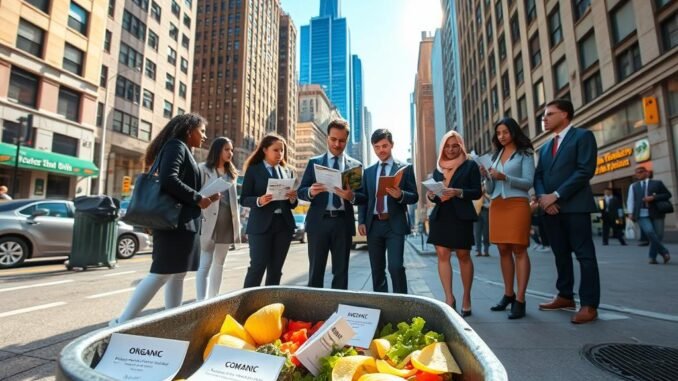

Last week, New York City collected up to 3.8 million pounds of organics in just seven days. This was an all-time high. At the same time, the city started enforcing new composting rules. Despite this, fines for not composting are being delayed.
Starting in October 2024, people in NYC had to separate food scraps, food-soiled paper, and yard waste. Now, weekly pickup happens on recycling day. The composting law applies everywhere in the city.
Fines started on April 1, 2025. But now, the city focuses on repeat offenders at big buildings. It’s also working to educate more people.
This means the composting rules are in place, but fines are not being strictly enforced. People can contest any fines they receive. For more information on composting in NYC, check out this NYC 311 composting overview.
The city aims to support sustainable living without making it hard to follow the rules. As DSNY increases outreach, more people are getting on board with composting.
What’s Changing: Delayed Fines Under the New NYC Composting Rules
New guidance changes how the city enforces composting rules this year. The rule to separate food scraps from trash remains. But, some fines are delayed as the city focuses on education.
Residents will see more education efforts. Compost NYC teams will teach about proper setout practices and bin use. This aligns with the city’s composting requirements and rules.
City pauses some penalties while maintaining the composting mandate
City Hall told sanitation officials to reduce fines for most buildings. But, the legal duty to sort organics remains. Large buildings that ignore rules can face fines, but many will get guidance first.
The city wants everyone to follow composting rules now. Enforcement will increase in stages.
Focus shifts to outreach and education through the end of the year
The Department of Sanitation is increasing outreach efforts. They will hold events, send mailers, and post in lobbies. The goal is to explain composting clearly.
Teams will clarify bin labels, pickup times, and what items are acceptable. This education push aims to align habits with regulations before enforcement increases.
Why residents said the rollout was confusing
Tenants and supers reported mixed messages on bin use and labeling in multi-unit buildings. Confusion grew when composting rules overlapped with recycling. Schedules also varied by block.
With clearer instructions, the city hopes for smoother sorting. It expects fewer repeat issues under the updated rules.
Is Composting Mandatory in NYC Right Now?
Yes, under the nyc composting law, residents must sort organic waste today. For those asking if composting is mandatory in nyc, the answer is yes. Everyone must separate organics from trash in all five boroughs. These rules are based on guidelines sent in mailers, DSNY app alerts, and building notices.
Mandatory separation of compost from trash is citywide
NYC mandatory composting requires everyone to put food scraps, food-soiled paper, and yard waste in the organics stream, not the garbage. This is the core of mandatory composting nyc: keep organics out of black bags and use labeled bins instead. The rule applies whether someone lives in a walk-up, a co-op, or a large rental.
Grace period ended April 1, 2025—what that means
The city’s grace period ended on April 1, 2025, and enforcement began after that date. While outreach continues, the duty to sort organics never stopped. For residents wondering if composting is mandatory in nyc now, the timeline confirms that compliance is expected under the nyc composting law.
How delayed fines differ from pausing the law
Delayed fines do not suspend the law. They give many buildings more time before penalties, but the requirement to separate organics remains in effect. In practice, nyc mandatory composting is in effect: follow composting guidelines nyc provides, keep sorting daily, and avoid repeat issues that can trigger summonses even during phased enforcement.
Who Is Stil Getting Fined and When Enforcement Expands
New guidance explains how nyc compost rules enforcement works. The city is educating while inspectors enforce rules where needed. Early fines show that compost nyc rules are being followed.
Buildings with more than 30 units and repeat violations
DSNY focuses on big properties first. Even though few have over 30 units, they get extra attention. These places face stricter checks for breaking nyc compost rules.
Threshold: more than four warnings can trigger $100 fines
After getting more than four warnings, buildings face $100 fines. Inspectors look for missing labels or no bins. This follows compost nyc rules and nyc organic waste disposal regulations.
Plan to expand enforcement to all buildings by year’s end
The city plans to check all buildings by the end of the year. As education ends, all properties will meet the same standards. Owners and managers need to follow nyc composting requirements to avoid fines.
Compost Collection Basics: What Goes In and What Stays Out
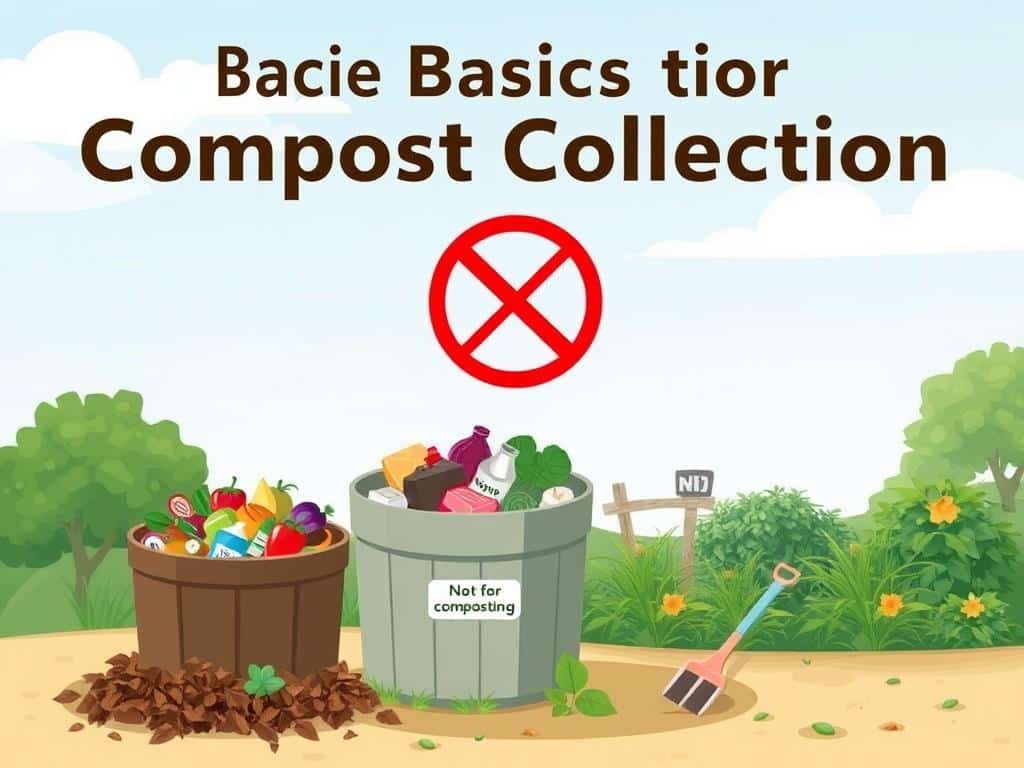
Following simple steps makes composting in NYC easy for everyone. By sticking to the guidelines and sorting correctly, we can turn waste into valuable soil or energy. This helps manage organic waste better without any extra effort.
Accepted: food scraps, food-soiled paper, leaf and yard waste
NYC composts almost all kitchen leftovers. This includes fruit and veg peels, meat, bones, shells, and dairy. Even prepared and cooked foods are okay.
Greasy paper plates, pizza boxes with cheese, and paper towels with food on them are also fine. Leaf and yard waste, like branches and Christmas trees, go in the brown bin.
Products marked as compostable are good to go. If unsure, check the label and local guidelines before adding it.
Not accepted: pet waste, medical waste, diapers, hygiene products
To keep compost clean, avoid putting pet waste, litter, or bedding in the bin.
Don’t add medical waste or diapers. These should go in the trash, not the compost.
Weekly pickup on your recycling collection day
Put out the brown bin on recycling day. DSNY picks it up weekly. If missed, report it through NYC311.
Keep bins clean to avoid smells and pests. Regularly setting them out and sorting correctly makes composting work well. It also keeps our sidewalks clean and follows the rules.
NYC Compost Bin Rules and Setup Requirements
Setting up compost bins correctly makes following NYC rules easy. The city’s guidelines are simple: pick the right bin, label it, and place it where it’s easy to reach. This approach helps busy buildings and keeps pests away.
Bin size and lid: 55 gallons or smaller with a secure lid
NYC rules say bins must be 55 gallons or less. They need a tight lid to stop spills and keep rats out. Any bin that fits these specs works for composting in NYC.
Labeling and storage area requirements for 4+ unit buildings
In buildings with four or more units, there must be a special area for bins. Labels should be clear so everyone can find the compost spot easily. A clean, well-lit space helps follow rules and keeps contamination low.
Liners: paper, clear plastic, or compostable bags
Using liners like paper, clear plastic, or compostable bags keeps bins clean. This follows NYC rules and makes moving organics easy. Clear liners also help with quick checks.
How to order free DSNY composting labels or buy official bins
Residents and managers can get free labels and find official bins through NYC311. If unsure, use any bin that meets the rules until labels arrive. This simple step keeps composting running smoothly.
| Requirement | What It Means | Who It Applies To | Why It Matters |
|---|---|---|---|
| Bin Capacity | 55 gallons or smaller | All homes and buildings | Meets nyc compost guidelines and eases handling |
| Secure Lid | Tight-fitting, pest-resistant | All organics bins | Supports nyc composting rules, prevents spills and pests |
| Labels | DSNY organics labels or decals | Required for shared areas | Improves sorting and reduces contamination under compost nyc rules |
| Storage Area | Designated, clean, accessible | Buildings with 4+ units | Helps residents follow nyc compost bin rules consistently |
| Acceptable Liners | Paper, clear plastic, or compostable | All organics bins | Keeps bins cleaner and supports nyc compost operations |
| Obtaining Materials | Order free DSNY labels; buy official brown bins | Residents and property managers | Makes compliance faster while meeting nyc composting rules |
How Enforcement Reached This Point
New York City started enforcing composting rules in October 2024. This change made composting mandatory for all households. Buildings with four or more units were required to have compost bins.
Starting April 1, 2025, fines were issued for non-compliance. People wondered about buying bins, their size, and how composting fits with recycling. These questions showed a need for better understanding of composting rules.
Deputy Mayor Randy Mastro suggested a slower approach to enforcement. City Hall agreed, focusing on education for large buildings and reducing fines. Acting Commissioner Javier Lojan believed that making it easy to participate and enforcing rules consistently would help.
These steps are part of the program’s history under Intro 244-A and its phased rollout. The city provided free brown bins and multilingual guidance to help residents. By combining outreach with fines, the city aims to meet composting needs while being practical.
| Milestone | What Happened | Who Was Affected | Policy Focus |
|---|---|---|---|
| October 2024 | Citywide organics separation began | All residents; 4+ unit buildings set out bins | Clarify nyc organic waste disposal regulations and routine setouts |
| Oct 2024–Mar 2025 | Grace period with outreach | Households learning acceptable materials and bin rules | Education-first approach to composting in new york city |
| April 1, 2025 | Fines begin after grace period | Noncompliant properties citywide | Enforce nyc compost law while maintaining clarity |
| Mid-2025 Adjustment | Limited fines; expanded education | Large, repeatedly noncompliant buildings | Balance nyc composting requirements with awareness efforts |
Progress So Far: Record Compost Collection and Resident Participation
Across the five boroughs, residents are embracing the city’s organics program. With more brown bins and clear signs, composting in NYC is on the rise. The Department of Sanitation (DSNY) notes steady growth, showing the city’s commitment to sustainability.
Millions of pounds collected weekly and rising participation
DSNY hit record totals this spring, with 3.6 million pounds in April and 3.8 million pounds later. These numbers beat the 3.2 million pounds set in November 2024. This shows more people are composting regularly.
Clear reminders and coaching helped make composting a habit. As more blocks join, crews collect more without slowing down.
Why organics diversion matters for organic waste management NYC
Turning banana peels and coffee grounds into compost helps NYC’s waste goals. This material can enrich parks and soils, and even generate energy. It shows how waste can be valuable, supporting local sustainability.
This effort also cuts methane from landfills. When people sort organics at home, the system works better and cleaner.
Fighting rats and improving sustainability outcomes
City leaders link sealed bins and regular pickup to rat control. Keeping food out of black bags reduces rat activity. This step makes sidewalks cleaner and service more reliable.
As composting grows, it links public health and climate goals. The same rules that fight rats also support green initiatives and waste management in NYC.
Responsibilities: Residents, Property Managers, and Building Owners
New York City’s curbside organics program has clear roles for everyone. It ensures bins stay clean and collections run smoothly. The goal is to make composting work for all without any confusion.
Who must separate organics and who must provide compost bins
All residents must sort food scraps and food-soiled paper from trash. This rule applies everywhere in the city. They use in-home containers and then empty them into building bins.
Owners and managers of buildings with four or more units must provide clearly labeled nyc compost bins. They also need to designate a storage area and set materials out on the correct day. They should supply allowed liners as per nyc organic waste disposal regulations.
Clarifying roles in buildings with multiple units
In multi-unit properties, residents separate; managers supply capacity and labels; supers monitor contamination. This split keeps nyc compost streams clean and reduces pests. A simple lobby sign and consistent reminders often solve most issues.
When tenants know where bins are and what to include, compost nyc participation rises. Clear bin decals and schedules help align daily routines with compost collection rules nyc already uses.
How to address repeated violations and avoid summonses
After a warning, act fast. Add more bin capacity if containers overflow. Replace missing labels, and switch to compliant paper, clear plastic, or certified compostable liners as required by nyc composting requirements.
Train staff on common contaminants and post a short checklist near bins. Buildings with more than 30 units should track warnings because more than four can trigger $100 fines during limited enforcement. Quick fixes protect residents and keep nyc compost moving.
| Role | Primary Duties | Compliance Must-Haves | Common Pitfalls | Action After a Warning |
|---|---|---|---|---|
| Residents | Separate organics from trash and use building bins | Follow posted lists; tie liners; keep lids closed | Bag leaks, plastic film, and takeout sauce packets | Review accepted items; double-bag wet scraps if needed |
| Property Managers | Provide labeled nyc compost bins and storage areas | Adequate capacity; compliant liners; pickup scheduling | Insufficient bins, missing labels, overflow | Add bins, refresh decals, adjust set-out time |
| Building Owners | Ensure budget and contracts meet nyc composting requirements | Written procedures aligned with nyc organic waste disposal regulations | No training plan; unclear responsibility | Assign a lead, document steps, and audit weekly |
| Supers/Porters | Monitor contamination and set bins out correctly | Spot checks; keep lids secure; maintain clean area | Missed set-outs; mixed bags | Tag bad bags, retrain staff, and notify manager |
| Large Buildings (30+ units) | Prevent repeat issues and track warnings | Incident log; tenant notices; staff refreshers | Four-plus warnings leading to fines | Increase capacity, hold a floor-by-floor reminder drive |
Compliance Tips: Composting Guidelines NYC Residents Can Follow Today
Composting in NYC is easy with clear steps. These guidelines help you sort, store, and avoid fines. They make composting simple for busy homes.
Start small and keep it up. A clean setup at home is key. Always check official advice before throwing things away.
Set up an in-kitchen caddy and schedule routine drop-offs
Get a caddy with a lid. Use paper, clear plastic, or compostable bags. Empty it into your building’s bin the night before to match pickup times.
Keep it clean with a rinse and baking soda. Freeze meat in a paper bag for smells. These habits follow NYC rules and fit your daily life.
Use DSNY resources: schedules, signs, decals, and mobile app
Check schedules on NYC311 or the DSNY app. Order free decals and signs for easy bin spotting. Use the app for missed service or bin labels to follow guidelines.
Share reminders when buildings change. Clear labels and regular pickup dates keep composting top of mind.
Backyard composting NYC options versus curbside collection
Backyard composting is good for leaves and yard waste. Turn the pile, keep it moist, and cover food to avoid pests. Use city service for cooked food, meat, dairy, and soiled paper.
Think of backyard systems as a supplement. Curbside service is the main way for most food scraps under NYC rules.
Common mistakes that lead to warnings or fines
- Mixing in pet waste, diapers, hygiene items, or medical waste.
- Using oversized containers or bins without secure lids.
- Leaving bins unlabeled or without a designated storage area in 4+ unit buildings.
- Placing bags that are opaque or not allowed under nyc composting standards.
A quick bin check before setout keeps you in compliance. It supports composting guidelines across the block.
| Action | Why It Matters | How To Do It Right | NYC Focus |
|---|---|---|---|
| Use a kitchen caddy | Reduces odors and mess | Ventilated lid, lined with paper or approved bags | Matches nyc compost guidelines |
| Time your drop-offs | Prevents overflow and pests | Empty the night before recycling day | Aligns with nyc composting pickup |
| Label building bins | Avoids mis-sorting | Apply DSNY decals and clear signs | Follows compost nyc rules |
| Choose the right stream | Improves processing quality | Yard waste to backyard composting nyc; food to curbside | Supports composting guidelines nyc |
| Keep lids secure | Deters rats and windblown litter | Use tight-fitting lids, never overfill | Core to nyc compost guidelines |
Policy Debate: Education vs. Enforcement in NYC Composting Law
The city is deciding between education and strict rules as it enforces the nyc composting law more widely. Supporters say clear guidance helps keep people involved. Others believe strict penalties are key to enforcing nyc composting rules and supporting green efforts in nyc.
City Council sponsors’ concerns about weakening the mandate
City Councilmember Shahana Hanif, the bill’s lead sponsor, fears less enforcement could weaken the law. She believes consistent rules are essential for residents to adopt sustainable practices without confusion.
She thinks clear rules and fair penalties are important. They help keep the nyc composting law credible and effective.
Administration’s case for more education and outreach
City Hall believes outreach is more effective than fines. They see education as a way to connect people with the nyc compost rules in their daily lives.
The goal is to make it easy for people to participate. Then, focus on solving ongoing problems. This approach helps residents adopt sustainable practices and supports green initiatives in nyc.
Expert viewpoints on targeting large complexes and repeat offenders
Sustainability expert Samantha MacBride of Baruch College suggests focusing on big buildings and repeat offenders. She believes one building can make a big difference if it follows the nyc composting rules.
She supports a mix of education and targeted penalties. This approach helps move the nyc composting law forward while saving resources for tough cases.
Implications for zero-waste goals and green initiatives in NYC
The debate affects how quickly the city reaches zero waste. Clear guidance helps newcomers, while consistent enforcement keeps the momentum going.
As agencies improve outreach, the city aims to align sustainable practices with trash reduction. This could be a key step in nyc’s green initiatives.
| Approach | Primary Tools | Strengths | Risks | Best Use Cases |
|---|---|---|---|---|
| Education-First | Workshops, DSNY guides, building trainings | Higher buy-in; clearer understanding of nyc compost rules | Slower behavior change without a backstop | New participants; neighborhoods with low awareness |
| Targeted Enforcement | Warnings, focused fines, inspections | Protects mandate; supports nyc composting requirements | Perceived as punitive if guidance is lacking | Large complexes; repeat offenders; high-volume routes |
| Hybrid Strategy | Education plus tiered penalties | Balances trust and accountability; aids green initiatives in nyc | Requires coordination and data tracking | Citywide rollout of nyc sustainable living practices |
Conclusion
New York City’s composting program is mandatory. The grace period ended on April 1, 2025. Now, the nyc composting law is enforced citywide.
Fines mainly target large buildings with repeat violations. The city is increasing outreach efforts. Existing summonses can be contested at OATH.
Weekly DSNY pickup happens on recycling day. There are clear rules for what goes in and what stays out.
Residents, property managers, and owners can follow the rules. Use lidded, labeled bins and follow DSNY guidance. This means putting food scraps, food-soiled paper, and yard waste in the bin.
But, no pet waste, diapers, or medical items. These steps follow nyc compost rules and make composting easier.
Participation is rising, with record tonnage—up to 3.8 million pounds in a week. This shows real progress. It helps fight rats, cut landfill emissions, and supports sustainability goals.
As enforcement expands by year’s end, using NYC311 resources is key. Keep bins compliant and follow collection schedules. This helps every block contribute to compost nyc and citywide nyc composting.
In short, the path is clear: follow the rules, use the tools, and keep separating organics. With education and enforcement, nyc composting can make streets cleaner, lower costs, and ensure a healthier future for every neighborhood.
Be the first to comment