

One in three murder cases in the U.S. are never solved. This fact is key to Maureen Brainard-Barnes’ story. She was a 25-year-old mom of two who went missing in July 2007 after visiting Manhattan. Years later, her body was found near Gilgo Beach on Long Island, leading to a massive investigation into a suspected serial killer.
Maureen Brainard-Barnes is now at the center of a case that won’t go away. She might have been the first of the “Gilgo Four,” found along Ocean Parkway in December 2010. In July 2023, Rex Heuermann, a New York architect, was arrested. In January 2024, he was charged with her murder. The case is expanding, with forensic evidence like hair DNA and a pizza box link.
But who was Maureen Brainard-Barnes in life? Friends called her Maureen Barnes or Brainard-Barnes. She was a young woman trying to balance work, motherhood, and dreams. Her story is part of a decade-long mystery that has shaken Suffolk County. This section introduces the victim at the heart of the Gilgo Beach mystery and sets the stage for what evidence reveals—and what’s yet to be known.
Overview of the Gilgo Beach investigation and the “Gilgo Four”
The Gilgo Beach investigation changed how we see the long island serial killer story. Detectives worked hard to connect the dots from old tips and cold cases. They were careful not to jump to conclusions.
Context of the Long Island Serial Killer case
Between December 2010 and April 2011, police found many remains near Gilgo Beach. The victims were of different ages and backgrounds. This made the case complex and required a detailed approach.
Every missing person report was looked into closely. As the investigation grew, they compared phone records and digital tracks. This helped paint a bigger picture of the long island serial killer case.
Discovery of remains along Ocean Parkway
Remains were found along Ocean Parkway, a key area for the investigation. The location near dunes and brush made it hard to see and preserve evidence. But, careful searches and forensic work helped uncover important clues.
The quick discovery of remains put a lot of pressure on the team. They had to balance speed with accuracy in their work. This was challenging in the delicate world of cold cases.
Why the Gilgo Four are central to the case
The Gilgo Four—Maureen Brainard-Barnes, Melissa Barthelemy, Megan Waterman, and Amber Lynn Costello—were found close to each other. Their cases were similar, making them a key part of the investigation. Their discoveries helped guide the forensic work.
The Gilgo Four’s cases were a focus point in the larger unsolved case. Their timelines and scenes helped researchers focus their efforts. This approach allowed for a deeper dive into their cases while keeping other leads open.
Maureen Brainard-Barnes
She was the first of the Gilgo Four to go missing. Her name is key in the Long Island Serial Killer case. Reporters, families, and readers use her name to keep facts straight.
Primary identifiers: names, aliases, and keyword variants
Her main name is maureen brainard-barnes. Other names include maureen brainard, brainard barnes, and maureen brainerd barnes. Searches also look for brainard-barnes and misspellings.
In escort ads, she used Juliana and Marie. These names are in case files and media reports.
People searching for her often type maureen gilgo beach. This helps find past news, court documents, and interviews.
How her case connects to search interest and online memorials
Interest grew after Ocean Parkway discoveries and 2023–2024 updates. Each new finding led to more searches for maureen brainard, brainard barnes, and maureen brainerd barnes.
Family tributes and online memorials keep her memory alive. They guide people to verified information and responsible reporting. These pages remember her as a victim while respecting her story.
Role within media coverage and public research
Coverage often mentions her Connecticut roots and Manhattan escort work. This sets the stage for the case’s timeline. Reporters use her name consistently to keep archives clear.
Her profile is key for readers to understand the case. It helps organize research and honors her identity and history.
Early life and background of Maureen Brainard-Barnes
Maureen Brainard-Barnes was an American woman born in June 1982. She was known for her bright mind, quick humor, and willingness to help others. Her early years showed a balance of duty, creativity, and care.
Connecticut roots: New London and Groton
She was born in New London and grew up in Groton. Friends from both towns remember her as grounded and curious. The coastal communities shaped her values and circle of trust.
Family, education, and work history
She was a strong student, leaving high school at 17 after becoming pregnant. Later, she earned a GED. Family stories highlight her dedication and grit despite financial challenges.
Her work included roles at ShopRite and a local gas station. She also dealt blackjack at Foxwoods Resort Casino. Each job helped support her family while keeping her future plans alive.
Motherhood and personal aspirations
As a mother of two, she loved to read and dreamt of writing. Relatives remember her for her careful routines and soothing voice during long days.
Before becoming a missing person and later a victim, she was building a hopeful life. She balanced family needs with her personal dreams in Groton and New London.
| Detail | Specifics | Community Ties |
|---|---|---|
| Birth and Home | Born June 1982 in New London; raised in Groton | Close-knit circles across both towns |
| Education | High-achieving early student; GED earned after leaving school at 17 | Support from family during transitions |
| Work History | ShopRite, gas station, blackjack dealer at Foxwoods | Known for reliability and steady hours |
| Family Life | Mother of two; avid reader with writing goals | Relatives recall warmth, ambition, and care |
Life circumstances and escort work in Manhattan
In the summer of 2007, maureen brainard-barnes balanced her life in Norwich CT with work trips to Manhattan. She picked affordable hotels in Midtown, kept her schedule tight, and tried to stay safe away from her kids.
Travel routine from Norwich, CT to Midtown hotels
She lived at 180 Prospect Street and took the train from New London to Grand Central Terminal. After arriving, she stayed at hotels like the Super 8 at 59 West 46th Street and the Red Roof Inn on West 32nd Street.
Her trips were short, lasting a few days. She budgeted well, moved hotels based on rates, and stayed in touch with friends in Norwich CT for safety.
Advertising on Craigslist, Backpage, and other sites
As an escort, she posted ads on Craigslist, Backpage, and other sites. Her ads were discreet, focusing on quick meetings in hotel rooms near transit.
She used simple language and listed hotels to make things easy. This approach was common then but later caught the eye of investigators.
Aliases “Juliana” and “Marie,” safety practices, and companions
Online, she used the names “Juliana” and “Marie” to keep work and home separate. For safety, she sometimes traveled with a female friend who booked her own room. At times, a male friend, called a cousin, joined them to ward off trouble.
On the weekend she went missing, she traveled with her female friend first. The friend left early, while maureen brainard-barnes stayed in the city. Her choices, including the hotels and online ads, were part of the investigation.
The disappearance: July 2007 timeline and last known contacts
In July 2007, maureen brainard-barnes followed a familiar path into Midtown Manhattan. The details are precise and help map the final hours before she became a missing person in an unsolved case.
Train to Grand Central and Super 8 stay near West 46th Street
She took an Amtrak trip from New London, Connecticut, arriving at Grand Central Terminal on July 6, 2007. She stayed at the Super 8 at 59 West 46th Street, a budget hotel near Rockefeller Center. This was her usual spot for short stays while meeting clients in Midtown.
Final phone call on July 9, 2007 at 11:43 p.m.
On July 9, 2007, maureen brainard-barnes kept in touch with friends in Connecticut all evening. The last call was at 11:43 p.m. After that, her phone activity stopped. This sudden silence led to a missing person alert.
“Out-call” meeting outside the hotel
That same night, she told a friend she had a meeting with a client outside the hotel. Leaving the Super 8 for a street-side meet was part of her plan. These steps—Grand Central Terminal arrival, the West 46th Street hotel, and the late call—frame the last verified moments in an unsolved case.
| Key Detail | Date and Time | Location | Relevance |
|---|---|---|---|
| Arrival by train | July 6, 2007 | Grand Central Terminal | Establishes entry point to Manhattan for maureen brainard-barnes |
| Hotel stay | July 6–9, 2007 | Super 8, 59 W 46th St | Confirms base of operations before she became a missing person |
| Final phone contact | July 9, 2007, 11:43 p.m. | Call to Connecticut | Last verified communication before an unsolved case designation |
| Planned meeting | Night of July 9, 2007 | Outside the hotel | Out-call arrangement noted as the final known plan |
Missing person reports and the cross-agency investigation
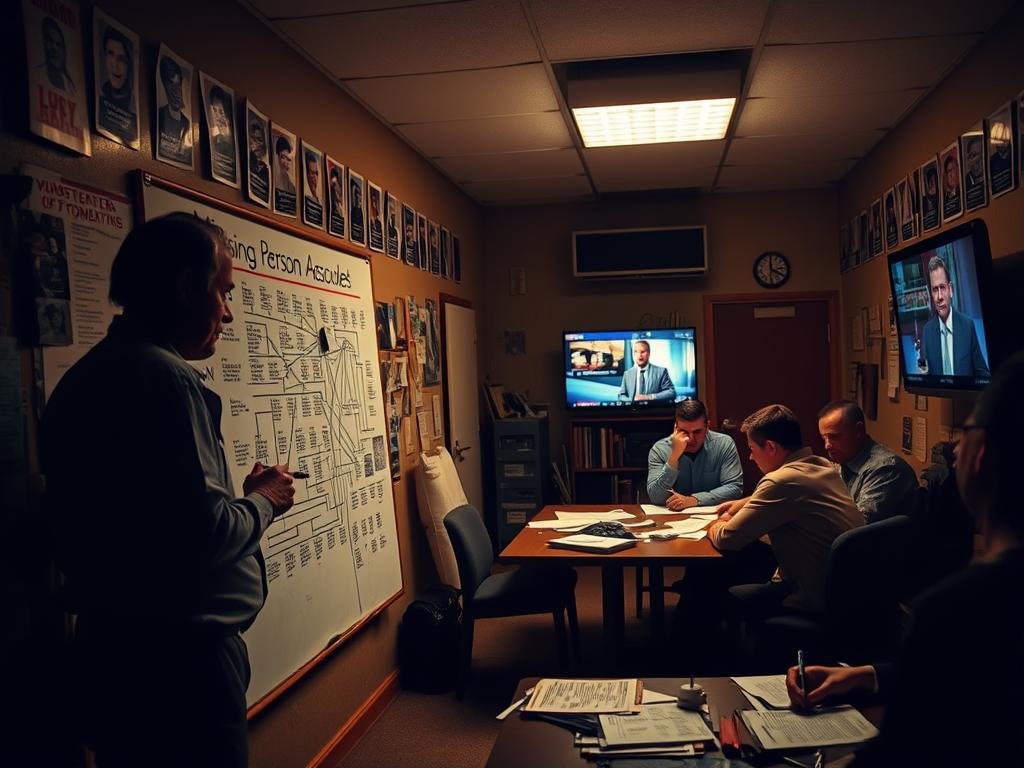
Early leads were fast but didn’t leave much to follow. The alert for a missing person brought detectives from different places together. This forced them to work better and dig deeper.
Norwich Police Department’s initial report and NYPD involvement
On July 14, 2007, a friend told the Norwich Police Department in Connecticut that Maureen Brainard-Barnes was missing. Because of her ties to New York City, the NYPD got involved and took charge. They looked at call records, hotel logs, and transit data to create a timeline that spanned cities and states.
This teamwork made sure tips were handled right. Each team kept records of interviews and evidence. They also shared updates regularly to avoid missing anything important.
From missing person to a cold case
Months went by without finding Maureen. The case became a cold case, but the police in Norwich and New York City kept searching. They looked at digital clues and retraced steps around Grand Central and West 46th Street, updating their theories as they found new information.
Public records and verified reports, including this overview of what authorities documented, show how the case grew. The shift in focus came when there were no more calls, bank activity, or witness accounts.
How the search for Shannan Gilbert expanded the investigation
In December 2010, while searching for Shannan Gilbert on Ocean Parkway, human remains were found. This changed how police looked at several cases. The NYPD and Suffolk County teams started comparing patterns, timelines, and methods across different areas.
This wider view linked earlier missing person cases to a group on Long Island. The teams worked together, doing fieldwork, lab tests, and data checks. They found connections between Maureen’s case and the Gilgo Four.
| Key Date | Agency Role | Action | Relevance to Investigation |
|---|---|---|---|
| July 14, 2007 | Norwich Police Department | Filed initial missing person report | Established baseline timeline and contacts |
| 2007–2009 | NYPD | Led city-based inquiries and data reviews | Mapped movements tied to Manhattan locations |
| December 2010 | NYPD & Suffolk County Police | Coordinated search linked to Shannan Gilbert | Shifted multiple files into a possible serial case |
| 2011–2012 | Multiagency | Expanded research, DNA comparisons, and tips | Integrated cold case leads across jurisdictions |
Discovery near Gilgo Beach and evidence recovered
Teams searched the dunes near Gilgo Beach, focusing on the north side of Ocean Parkway. They found important items related to maureen brainard-barnes. These items were close to other scenes and handled in a similar way.
Remains found December 13, 2010 along Ocean Parkway
On December 13, 2010, authorities found maureen brainard-barnes’ remains near Gilgo Beach. This discovery was made after Shannan Gilbert went missing. The Gilgo Four were found nearby.
Teams mapped the area and kept track of items. They followed strict protocols for DNA testing and the investigation.
Burlap wrappings and binding materials
Logs show burlap was used as exterior wrappings. Detectives found similar binding materials near Gilgo Beach.
Prosecutors found belts used to tie feet, ankles, and legs. The use of burlap and restraints was a key focus.
The distinctive belt with “WH” or “HM” initials and ongoing DNA testing
A unique belt with “WH” or “HM” initials was found. This clue was shared in 2020 and caught the attention of Suffolk County authorities.
Analysts found a questioned hair near the buckle. DNA testing is ongoing. These efforts support the investigation into maureen brainard-barnes and other cases along Gilgo Beach.
Charging Rex Heuermann and developments in 2023–2024
The case moved from quiet leads to active courtroom steps as the investigation accelerated. Detectives, lab analysts, and the prosecution worked together. They aimed to present a clearer chain of evidence.
Arrest in July 2023 and evidence trail including hair DNA and pizza box
Rex Heuermann, a New York City architect from Massapequa Park, was arrested in July 2023. The investigation found hair DNA from burlap and other materials. These were compared to DNA from a pizza box and napkin outside his office.
Prosecutors then asked for a cheek swab for further comparison. They explained how they handled the evidence to keep the chain of custody intact. In court records, they mentioned “homicidal asphyxia,” later changed to “homicidal violence,” for the Gilgo Four.
January 2024 charge related to Brainard-Barnes
In January 2024, a second-degree murder count was added for Maureen Brainard-Barnes. Suffolk County District Attorney Raymond A. Tierney announced this. The hair DNA and pizza box DNA comparisons were key to the investigation.
The January 2024 charge marked a decade-long case. Officials said they used old leads, new lab tests, and digital reviews. Each step aimed to match forensic results with witness timelines and phone data.
Grand jury updates and prosecutorial statements
The grand jury continued to hear evidence as the case grew. Forensic summaries and subpoena returns were included. Prosecutors kept proceedings sealed to protect witnesses and prevent leaks.
Jurors didn’t hear Heuermann’s name until just before his July 2023 arrest. The investigation is ongoing, with more materials being processed. Additional lab reports and interviews are being added to the file. The grand jury schedule reflects this, with hearings held as new results arrive.
Victim profile and connection to the “Gilgo Four”
Maureen Brainard-Barnes is at the center of the victim profile for the Gilgo Four. She was small and worked as an escort, using Craigslist and Backpage. She disappeared in 2007, and her case is often linked to the Long Island Serial Killer.
Her body was found in December 2010 on Ocean Parkway. It was near the bodies of Melissa Barthelemy, Megan Waterman, and Amber Lynn Costello. They all had similar signs of being murdered, like burlap wrappings and bindings.
Many think Maureen was the first to go missing. The places where their bodies were found are close together. This shows a pattern in the long island serial killer case.
Being part of the Gilgo Four shows Maureen faced similar dangers. The way they were found, the online ads they used, and the evidence found near Gilgo Beach are all connected. This makes her a key part of the unsolved case.
Family voices, impact, and remembrance
In quiet rooms and at crowded vigils, family stories keep maureen brainard-barnes alive. Loved ones share how her warmth filled every space. They remind us that every headline tells a story of a victim and a missing person whose life is precious.
Statements from sister Melissa Cann
Melissa Cann has spoken with courage in front of cameras and candles. She views each update as part of a journey, fueled by love and duty. She remembers her sister as a reader and writer who always supported their family.
Her words highlight the importance of treating every victim with dignity. She pushes for justice in a case that started with a missing person report. Through it all, she calls for ongoing advocacy for justice for maureen brainard-barnes.
Daughter’s perspective and lasting effects
Nicolette Brainard-Barnes, Maureen’s eldest child, has shared her story of growing up without her mother. She talked about how loss affected her school years, friendships, and milestones. Her grief is a constant reminder of the loss.
Her words give depth to the name behind the news. They show how an american woman became a memory too soon. They highlight the lasting impact of a victim on their family.
Community tributes, online memorials, and advocacy for justice
Neighbors, classmates, and volunteers hold vigils and share photos to keep the story alive. Each online memorial post adds a personal touch—favorite books, a laugh, a plan for tomorrow. These tributes help us see beyond the case file.
Civic groups and families of the missing person community unite in advocacy for justice. They demand transparency, resources, and compassion for all families, including maureen brainard-barnes and Melissa Cann.
Conclusion
Maureen Brainard-Barnes is at the center of the Gilgo Beach investigation. She was a young Connecticut mother who vanished in 2007. Her remains were later found among the Gilgo Four.
Her case brought evidence to light, including burlap wrappings and a belt with “WH” or “HM”. This evidence shifted the focus of the long island serial killer probe. Forensic teams are now working hard to solve the case through DNA analysis.
In July 2023, Rex Heuermann was arrested for Maureen’s murder. This was followed by a January 2024 charge. These steps show progress in solving the case.
Prosecutors used hair DNA, phone data, and other evidence to make the arrest. This shows how careful evidence review can lead to breakthroughs. It also keeps the focus on the victims, not just the accused.
Family members, like Melissa Cann and Maureen’s daughter, keep the case personal. They remind us that the Gilgo Beach investigation is about loss and memory. Their words keep the momentum going as evidence is reviewed and new samples are analyzed.
In the end, Maureen Brainard-Barnes is a key part of the long island serial killer story. Her life and the clues she left behind guide ongoing research. They also inform responsible coverage and support justice in this unsolved case.
The path forward is active and focused. Investigators, journalists, and families are all working towards one goal: truth that can stand in court and last over time.
Be the first to comment